


 English
 中文简体
中文简体 Español
●Plastic spraying surface treatment ●Wall thickness 0.8 mm ●Better surface gloss and stronger ●180° 90° 45° 3 angles blisters ●High light transmittance, high definition level bubble ●Bottom with an in...
See DetailsA plastic torpedo level is a compact and portable tool commonly used in construction, carpentry, plumbing, and various other trades to measure the level or alignment of surfaces. Unlike traditional wooden or metal levels, plastic torpedo levels offer the advantages of being lightweight, corrosion-resistant, and durable. However, ensuring their long-term accuracy is crucial for maintaining their effectiveness in precision tasks.
Plastic torpedo levels consist of a durable plastic body and one or more bubble vials that contain a liquid and air bubble. The vials are carefully calibrated to indicate horizontal, vertical, or plumb alignment. Some models feature additional vials for 45-degree angles or other specific measurements. The body of the level, typically made from high-impact plastic, is designed to be lightweight while withstanding the rigors of daily use. However, the accuracy of these levels depends heavily on the precision of the bubble vials and the calibration of the level itself. Over time, exposure to harsh conditions, rough handling, and environmental factors can affect the level's performance, making it important to regularly inspect and maintain the tool.
One of the most effective ways to ensure the long-term accuracy of a plastic torpedo level is through proper handling and storage. Although plastic torpedo levels are lightweight, they are still susceptible to damage if not used correctly. Dropping the level onto hard surfaces or subjecting it to heavy impacts can cause the internal vials to shift or become misaligned. This can lead to inaccuracies when using the tool. Therefore, it is essential to handle the level with care, avoiding dropping or striking it against hard objects. When not in use, plastic torpedo levels should be stored in a safe place, away from direct sunlight, extreme temperatures, or exposure to chemicals that could degrade the plastic body or affect the vials. A protective case or storage bag can help shield the level from physical damage and environmental factors.
Calibration is a key factor in maintaining the long-term accuracy of a plastic torpedo level. Over time, the bubble vials can become misaligned, or the liquid inside may settle unevenly, leading to incorrect readings. To ensure that the level remains accurate, it is important to regularly calibrate it. Calibration can be done using a reference surface that is known to be perfectly level. For example, a flat surface like a workbench or a known level surface can be used for calibration. To calibrate the level, place it on the surface and check the alignment of the bubble within the vial. If the bubble does not align with the center, gently adjust the vial's position to restore its accuracy. Some torpedo levels feature adjustable vials that can be recalibrated easily, while others may require a more complex process. If you are unsure how to calibrate your level, consult the manufacturer's instructions or seek professional assistance.
Keeping your plastic torpedo level clean is an essential part of maintaining its accuracy and longevity. Dirt, debris, and moisture can accumulate on the body or inside the vials, affecting the level's performance. To clean the level, use a soft cloth and mild soap solution to wipe down the exterior. Avoid using harsh chemicals or abrasive materials that could scratch or damage the plastic surface. Pay special attention to the vials, ensuring that no dirt or debris is obstructing the liquid or the air bubble. If your level is exposed to water or moisture, make sure it is dried thoroughly before storing it to prevent the buildup of mold or mildew inside the vials. Additionally, inspect the level periodically for any signs of wear, cracks, or damage to the plastic body or vials. Any visible damage should be addressed promptly to prevent further deterioration.
Plastic torpedo levels, while durable, are not immune to the effects of extreme environmental conditions. Prolonged exposure to excessive heat, cold, or humidity can cause the plastic body to warp, crack, or degrade. Similarly, exposure to chemicals or solvents, such as those used in construction or industrial settings, can weaken the plastic material. To ensure the long-term accuracy of the level, avoid using or storing it in extreme temperatures or environments. When working in conditions with high temperatures, humidity, or exposure to chemicals, it is advisable to store the level in a protective case or carry it in a bag that shields it from the elements. Additionally, never leave the level in direct sunlight for extended periods, as prolonged UV exposure can cause the plastic to fade and weaken.
Routine inspections are vital for ensuring that a plastic torpedo level continues to function accurately over time. While most plastic torpedo levels are designed to be durable, they can still suffer from wear and tear due to frequent use. Regularly inspect the level for visible damage, such as cracks, chips, or signs of wear on the body or vials. Pay attention to any misalignment in the bubble vial, as this can significantly impact the accuracy of the level. Additionally, check the body of the level for any signs of bending or warping, as this could affect its alignment and accuracy. If any issues are found, the level should be repaired or replaced promptly to maintain the reliability of your measurements. For some minor issues, such as slight misalignment, recalibration may be all that is needed to restore accuracy. However, significant damage may require a complete replacement of the level or the vial components.
While maintenance is important for ensuring the long-term accuracy of a plastic torpedo level, the quality of the level itself plays a significant role in its overall reliability. When purchasing a plastic torpedo level, consider investing in a well-made tool from a reputable manufacturer. High-quality plastic torpedo levels are typically constructed using materials that are more resistant to wear, impact, and environmental stress. Some levels feature reinforced plastic bodies or additional protective coatings to enhance durability. Additionally, look for a level that includes features such as shock-resistant vials, precision-milled surfaces, and adjustable vial positioning. These features can help ensure that the level maintains its accuracy over time, even with frequent use in challenging environments. Researching product reviews and recommendations can also provide valuable insights into the performance and reliability of different models.
As technology has advanced, some manufacturers have introduced digital or laser-assisted torpedo levels that offer enhanced precision and additional features. Digital torpedo levels often include electronic sensors and digital displays that provide highly accurate readings, even in challenging measurement conditions. These levels typically require less manual calibration, as they automatically adjust to environmental conditions. Laser-assisted levels use a laser beam to measure angles and alignment with high accuracy. While these advanced tools may offer improved precision, they can be more expensive than traditional plastic torpedo levels and may require more maintenance. Nevertheless, if ultimate accuracy is critical for your work, investing in a digital or laser-assisted level may be a worthwhile option. It is important to regularly calibrate these advanced tools, just as you would with a traditional level, to ensure they remain accurate over time.
To maintain the long-term accuracy of a plastic torpedo level, it is essential to follow best practices for usage, calibration, cleaning, and storage. Always handle the level with care, avoid exposing it to extreme conditions, and store it in a safe, dry place. Perform routine checks and calibrations to ensure the vials remain aligned and accurate. Clean the level regularly to prevent dirt and moisture buildup, and inspect it frequently for signs of damage. If any issues are identified, address them promptly to avoid further damage and maintain the level's accuracy. By following these best practices, you can ensure that your plastic torpedo level remains a reliable tool for precise measurements over an extended period.
Ensuring the long-term accuracy of a plastic torpedo level requires a combination of proper handling, regular calibration, and consistent maintenance. While plastic torpedo levels are designed for durability, they can still be susceptible to damage or misalignment over time. By following the recommendations outlined in this article—such as proper storage, cleaning, calibration, and regular inspections—you can help ensure that your plastic torpedo level remains accurate and reliable throughout its lifespan. Investing in a high-quality level and incorporating advanced tools, such as digital or laser-assisted models, can also enhance precision and provide added benefits for specific applications. Ultimately, maintaining your plastic torpedo level with care will help ensure its accuracy and extend its usefulness in a variety of tasks.

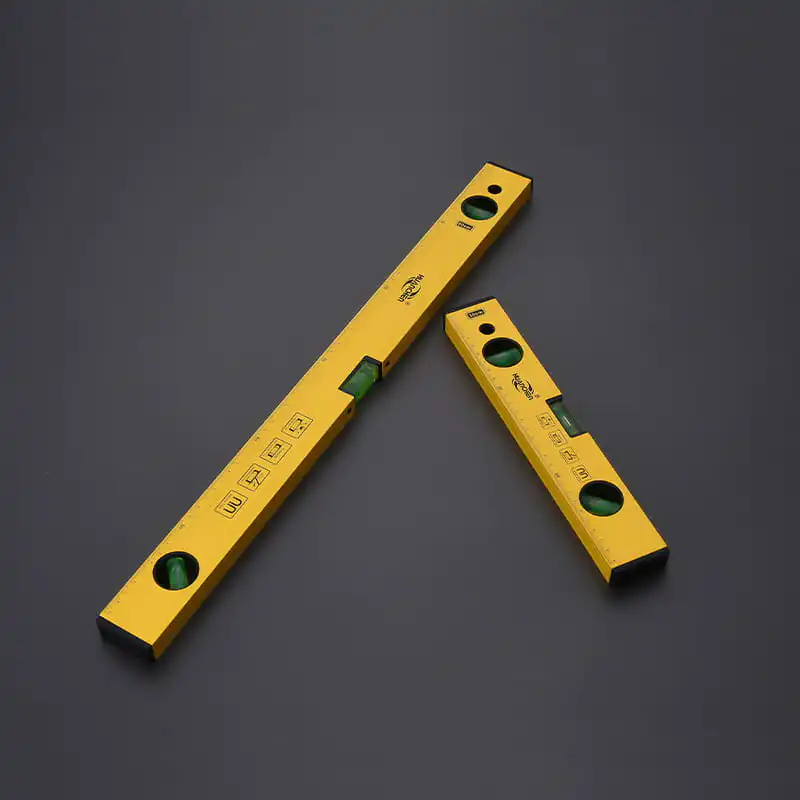
●Plastic spraying surface treatment ●Wall thickness 0.8 mm ●Better surface gloss and stronger ●180° 90° 45° 3 angles blisters ●High light transmittance, high definition level bubble ●Bottom with an in...
See Details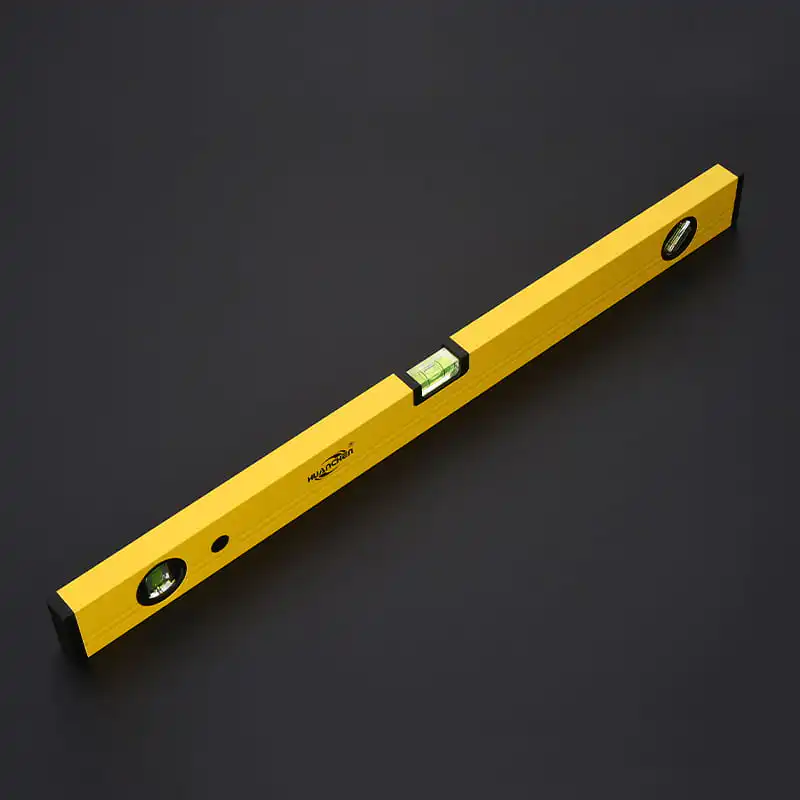
● Plastic spraying surface treatment Better surface gloss and stronger ● Left and right wall thickness 1.0mm ● Bottom milling and leveling finishes for more accurate precision ● Leveling accuracy 0.5...
See Details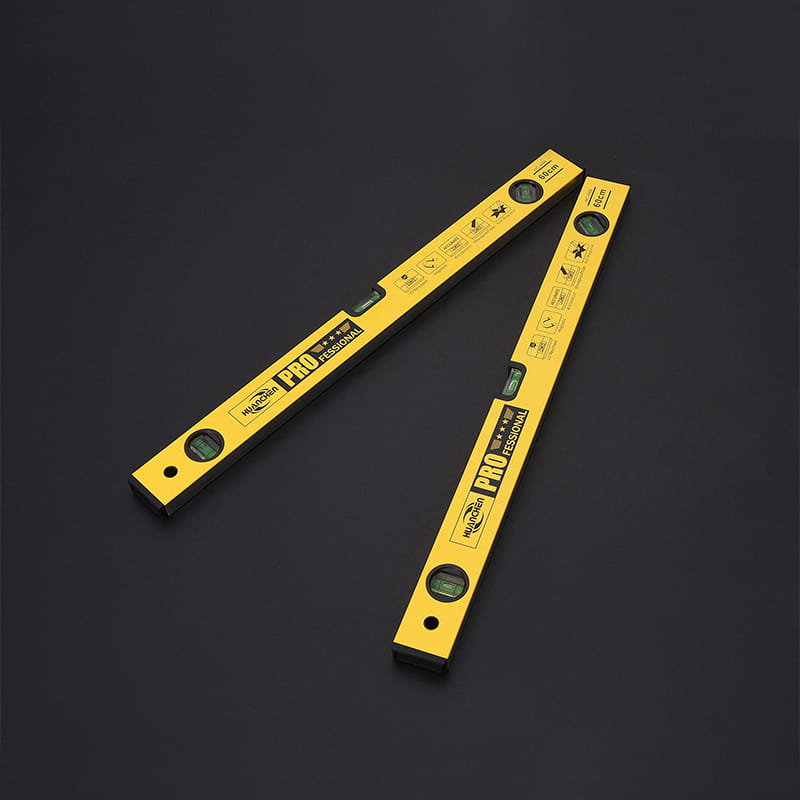
● Plastic spraying surface treatment Better surface gloss and stronger ● Left and right wall thickness 1.0mm lower bottom surface thickness 1.25mnm ● Milled bottom and level is more accurate precisi...
See Details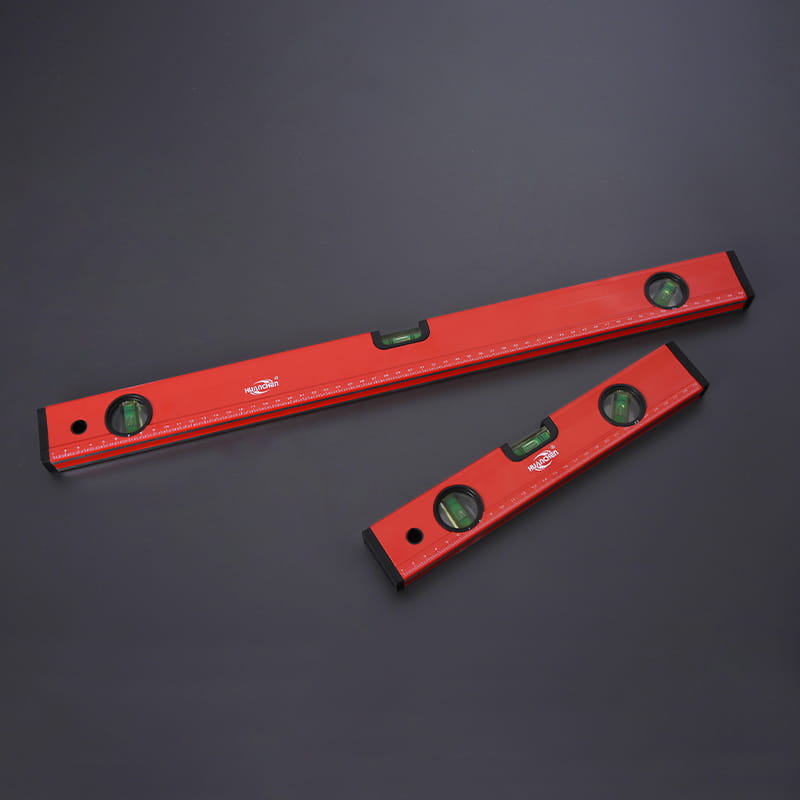
● Plastic spraying surface treatment better surface gloss and stronger ● Left and right wall thickness 0.8mm, upper wall thickness 0.8mnm, lower bottom thickness 1.2mm ● Bottom milling and leveli...
See Details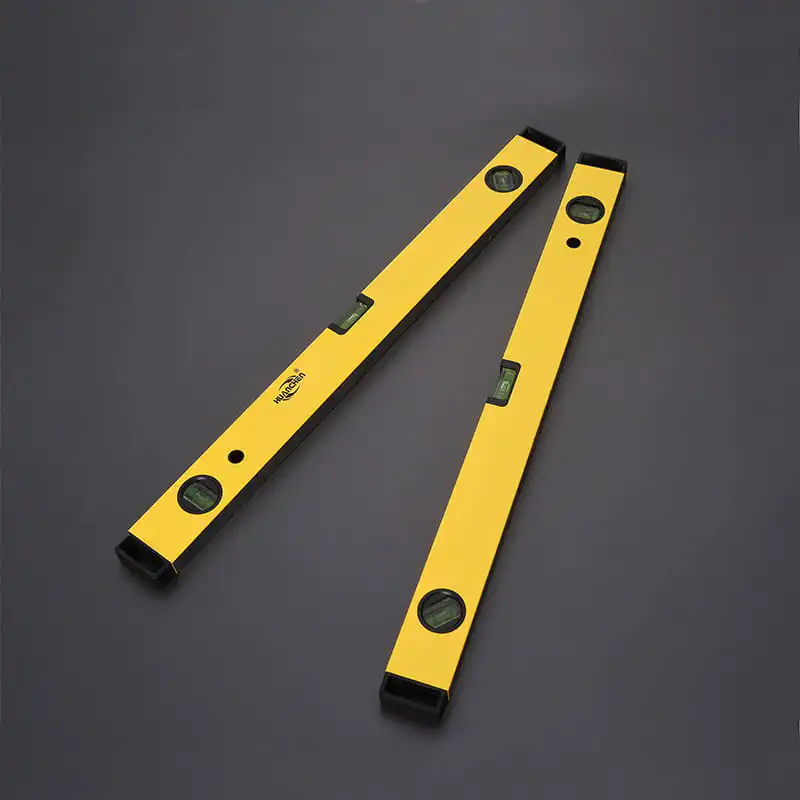
● Plastic spraying surface treatment Better surface gloss and stronger ● Left and right wall thickness 1.0mm ● Bottom milling and leveling finishes for more accurate precision ● Leveling accuracy 0...
See Details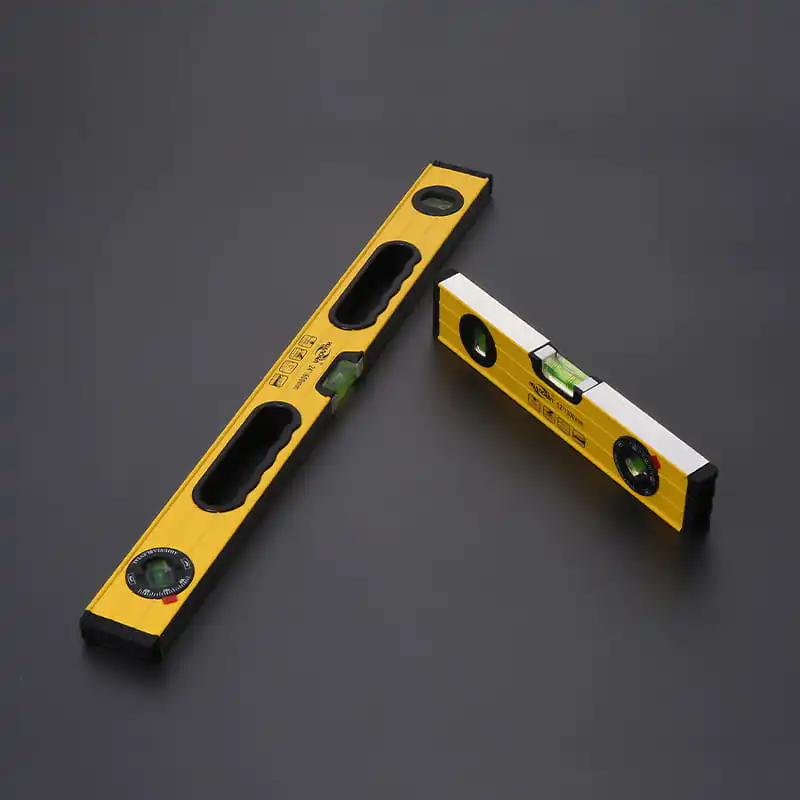
● Plastic spraying surface treatment Better surface gloss and stronger ● Left and right wall thickness 1.0mm lower bottom surface thickness 1.3mnm ● 300mm-400mm without grip, 500mm with single grip,6...
See Details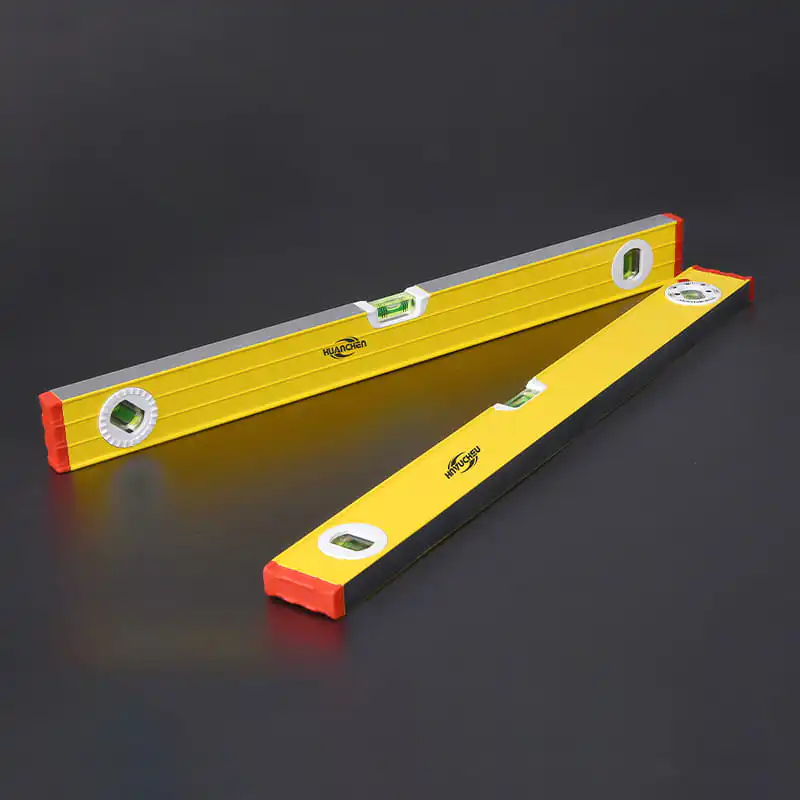
● Plastic spraying surface treatment Better surface gloss and stronger ● Left and right wall thickness 1.0mm lower bottom surface thickness 1 .3mnm ● 300mm- 400mm without grip, 500mm with single gr...
See Details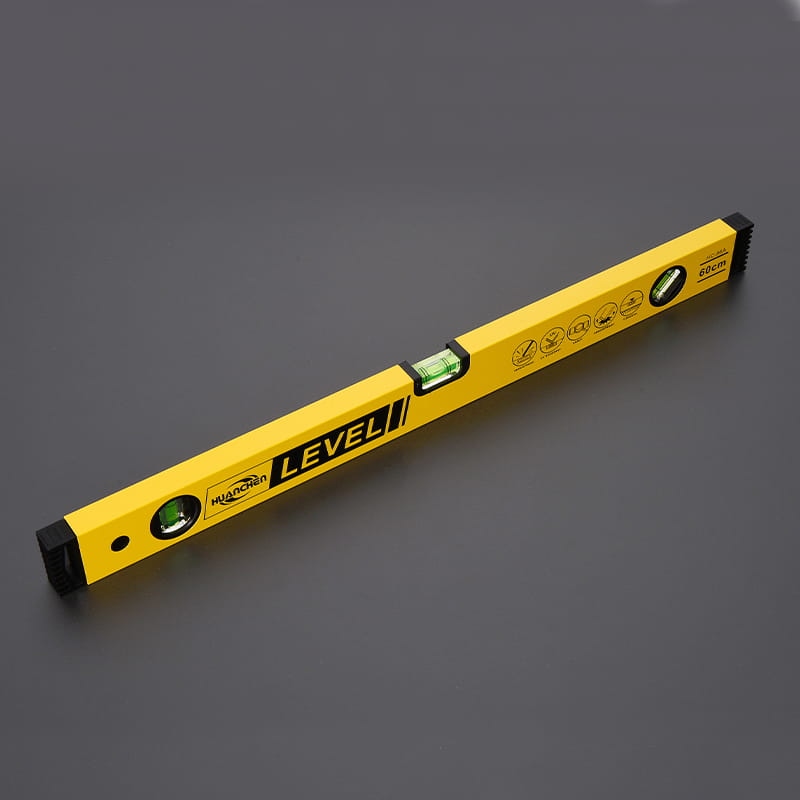
● Plastic spraying surface treatment, better gloss, more solid ● Thickness of left and right wall 1.0mm, thickness of the bottom surface 1.25mm ● Lower bottom surface milling and leveling finishing ...
See Details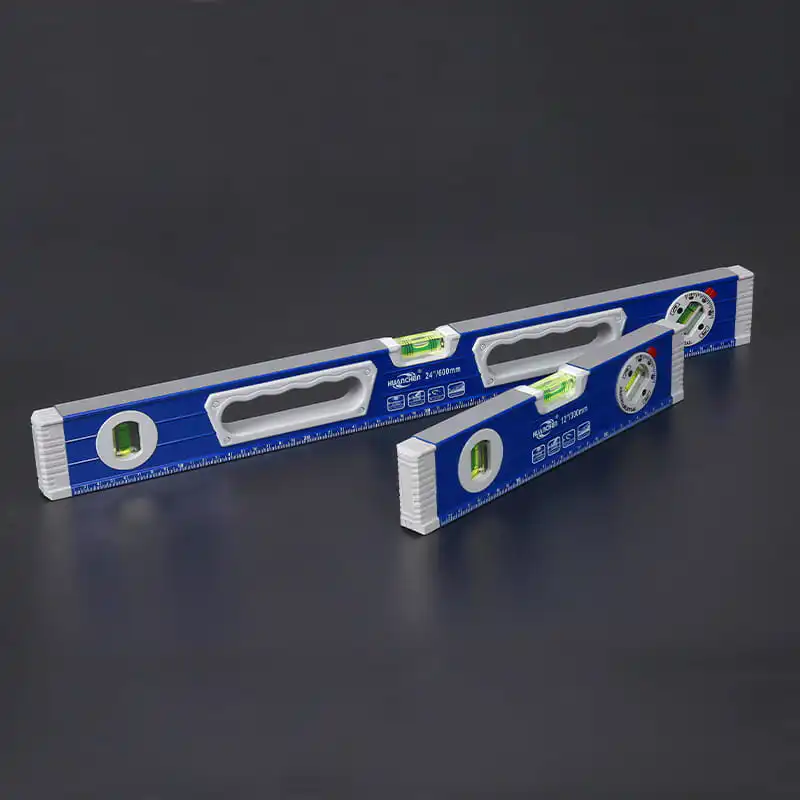
● Plastic spraying surface treatment Better surface gloss and stronger ● Left and right wall thickness 0.9mm lower bottom surface thickness 1.3mnm ● 300mm- 500mm without grip, 500mm with single grip,...
See Details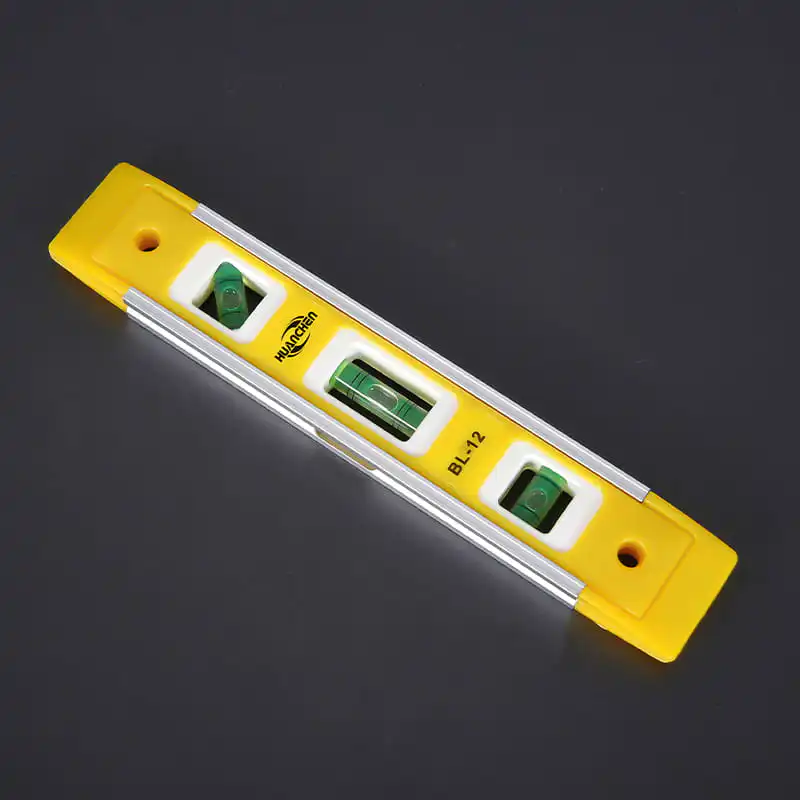
● Aluminum body covered with plastic parts for protection ● 3 leveling bubbles for multi-angle measurements ● Magnetic strip on the bottom
See Details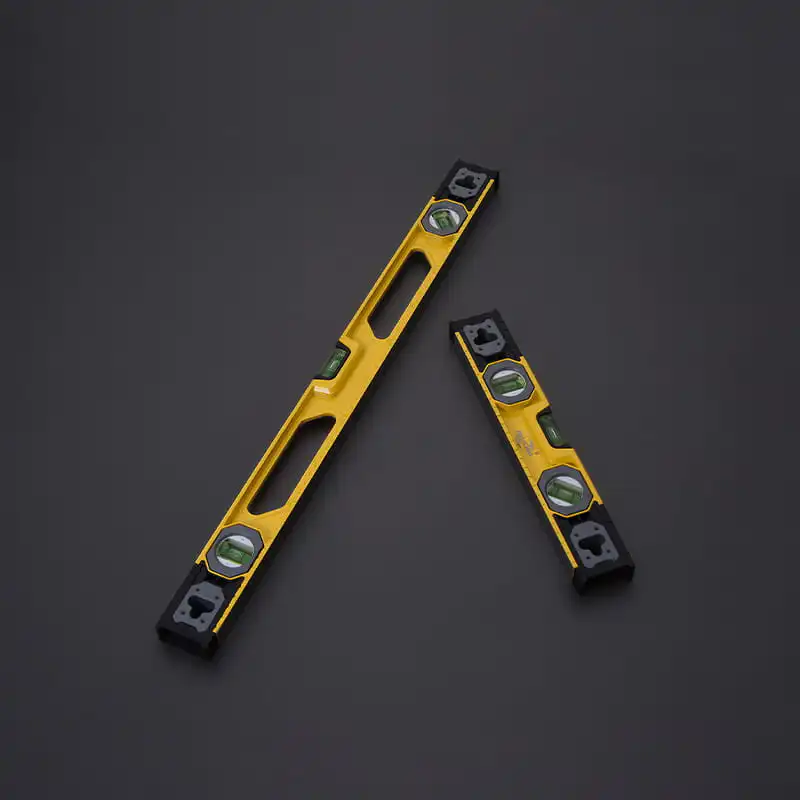
● Plastic spraying surface treatment Better surface gloss and stronger ● Middle aluminum thickness 2.7mm ● I-beam aluminum, more stable structure ● Soft rubber end caps to protect the level ● Three-di...
See Details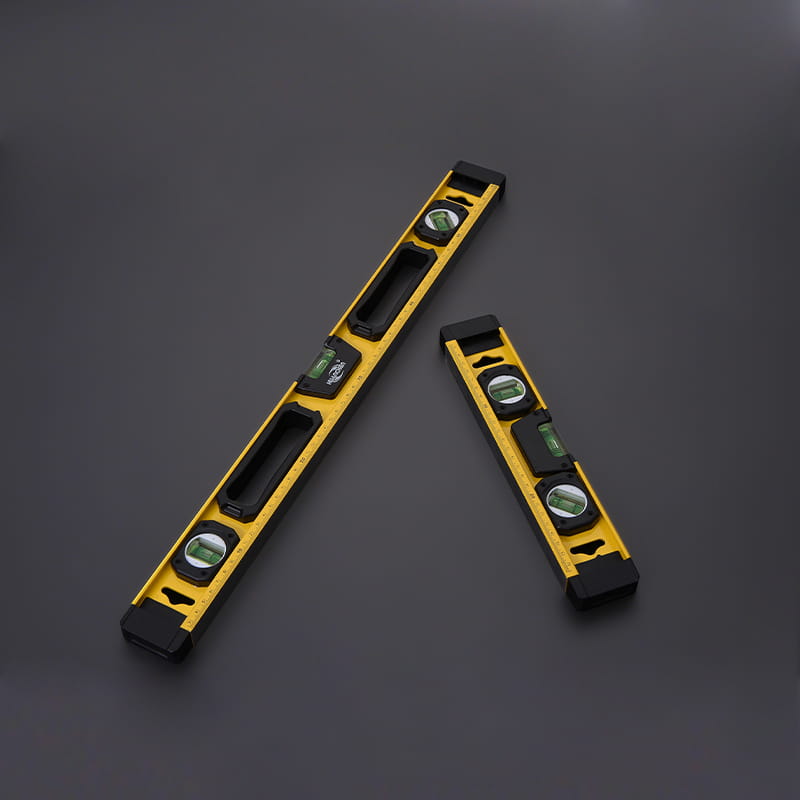
● Plastic spraying surface treatment Better surface gloss and stronger ● Middle aluminum thickness 2.7mm ● I-beam aluminum, more stable structure ● Soft rubber end caps to protect the level ● Three-di...
See Details

GET A FREE QUOTE
+86 13646662299
Copyright © 2023 Ningbo Huanchen Tools Co., Ltd.  High precision bubble level Manufacturers