


 English
 中文简体
中文简体 Español
●Plastic spraying surface treatment ●Wall thickness 0.8 mm ●Better surface gloss and stronger ●180° 90° 45° 3 angles blisters ●High light transmittance, high definition level bubble ●Bottom with an in...
See DetailsThe performance of a slope measuring ruler is significantly influenced by its material composition and overall design. Typically constructed from aluminum, stainless steel, or durable plastics, the slope measuring ruler provides both structural stability and long-term usability. Aluminum rulers offer lightweight properties, making them easy to handle and transport, while stainless steel variants provide enhanced rigidity and resistance to bending or warping under frequent use. Some slope measuring rulers include coatings or finishes to protect against corrosion, scratches, and minor impacts. The choice of material directly affects not only durability but also the accuracy of measurements over time.
A non-slip base is a critical feature for ensuring stable positioning of a slope measuring ruler during use. This base may consist of rubberized pads, textured surfaces, or specialized grips that adhere lightly to the underlying surface, preventing the ruler from sliding during measurement. The non-slip design enhances measurement accuracy by reducing the potential for movement that could skew readings. Non-slip bases are particularly important when the slope measuring ruler is used on smooth or inclined surfaces where maintaining a firm position is essential. This feature contributes to consistent and reliable performance, particularly in professional or construction settings.
Some slope measuring rulers incorporate a magnetic design to allow attachment to metal surfaces, improving ease of use in scenarios such as steel beams, metal pipes, or other construction materials. The magnetic functionality provides hands-free stability, allowing users to focus on reading measurements without the need to hold the ruler in place. Magnetic rulers are useful for applications that require precise alignment or when measurements need to be repeated at multiple points along a metallic surface. This feature can significantly reduce errors caused by ruler movement, ensuring that slopes and angles are accurately recorded.
The core function of a slope measuring ruler is to provide precise slope and angle readings. Material rigidity, base stability, and magnetic attachment all contribute to measurement accuracy. A well-constructed slope measuring ruler minimizes flexing or bending during use, maintaining the integrity of the scale markings. Clear and legible graduations, combined with a stable base or magnetic attachment, allow for precise readings of slopes, angles, and inclinations. Consistency in measurement is essential for professional applications such as carpentry, construction, landscaping, or civil engineering, where small deviations can affect project outcomes.
Durability is a key consideration for slope measuring rulers, especially when used in demanding environments. Repeated handling, exposure to environmental elements, and contact with rough surfaces can impact the structural integrity and readability of the ruler. Non-slip bases and magnetic designs contribute to longer-lasting functionality by preventing unnecessary sliding, scratches, or impacts during use. High-quality materials such as anodized aluminum or reinforced plastics further enhance durability. Proper care and storage, such as keeping the ruler away from excessive moisture or corrosive chemicals, can extend the lifespan of the slope measuring ruler.
Slope measuring rulers are used in a range of applications, from construction and engineering to DIY projects and educational purposes. The non-slip base and magnetic design enhance versatility, allowing the ruler to be used on different surfaces and orientations. For instance, a non-slip base is effective on flat wooden surfaces, while magnetic designs are suitable for metallic structures. This adaptability ensures that a single slope measuring ruler can meet multiple measurement needs without requiring specialized tools for each scenario. Users benefit from the combined features, as they facilitate accurate readings in diverse conditions.
Maintaining a slope measuring ruler involves regular cleaning and careful handling to preserve its measurement accuracy and structural integrity. Dust, debris, or surface residues can reduce the effectiveness of non-slip bases or magnetic components. Wiping the ruler with a soft cloth, avoiding exposure to corrosive substances, and storing it in a protective case can maintain its functionality. Additionally, periodic inspection of the magnetic areas and base pads ensures continued stability during use. Proper maintenance supports the long-term performance of the slope measuring ruler, keeping both the non-slip and magnetic features reliable.
The choice between a non-slip base and a magnetic design depends on user requirements and application environments. Non-slip bases provide secure placement on smooth, non-metallic surfaces, while magnetic designs enable attachment to metallic structures for hands-free operation. Some slope measuring rulers combine both features, offering versatility across different scenarios. Understanding the environment and type of measurement work helps users select the appropriate ruler for maximum efficiency and precision.
| Feature | Functionality | Application |
|---|---|---|
| Non-slip base | Prevents sliding on smooth surfaces | Wood, plastic, or uneven surfaces |
| Magnetic design | Provides attachment to metal surfaces | Steel beams, pipes, and metallic structures |
| Material | Aluminum or stainless steel | Lightweight handling or rigid, durable use |
| Graduation markings | Clear slope and angle measurements | Precision measurement tasks |
For users who require consistent and accurate measurements over time, the combination of a non-slip base or magnetic design with high-quality materials ensures the slope measuring ruler remains reliable. Repeated use, transport, and exposure to different environments are managed effectively through these features. Selecting a ruler that balances base stability, magnetic attachment, and material rigidity provides dependable performance, supporting accurate slope measurement for professional, industrial, or home applications. Proper use and care maintain the effectiveness of the non-slip and magnetic functions throughout the lifespan of the slope measuring ruler.

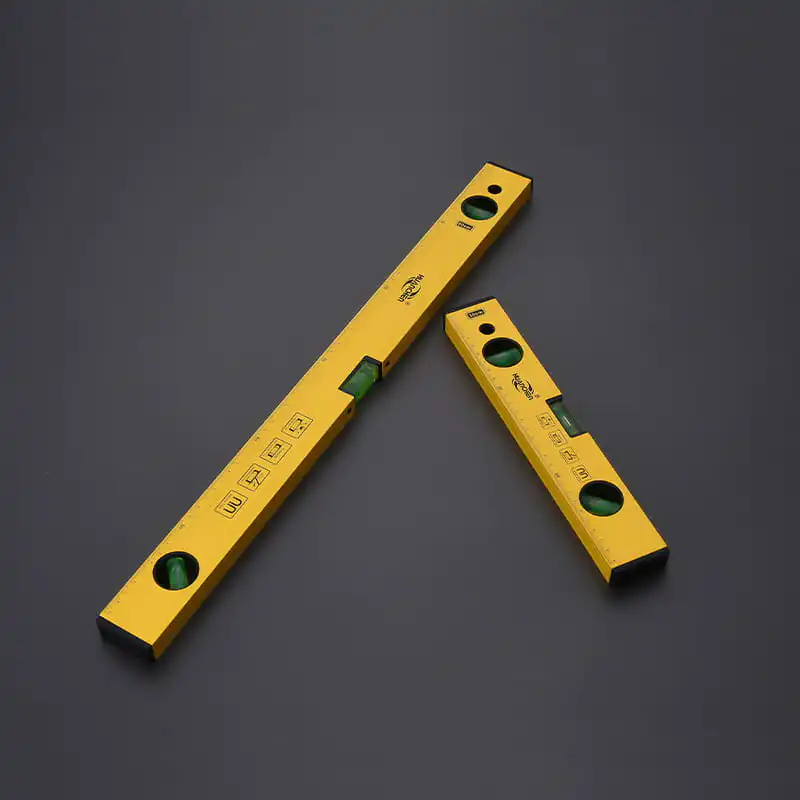
●Plastic spraying surface treatment ●Wall thickness 0.8 mm ●Better surface gloss and stronger ●180° 90° 45° 3 angles blisters ●High light transmittance, high definition level bubble ●Bottom with an in...
See Details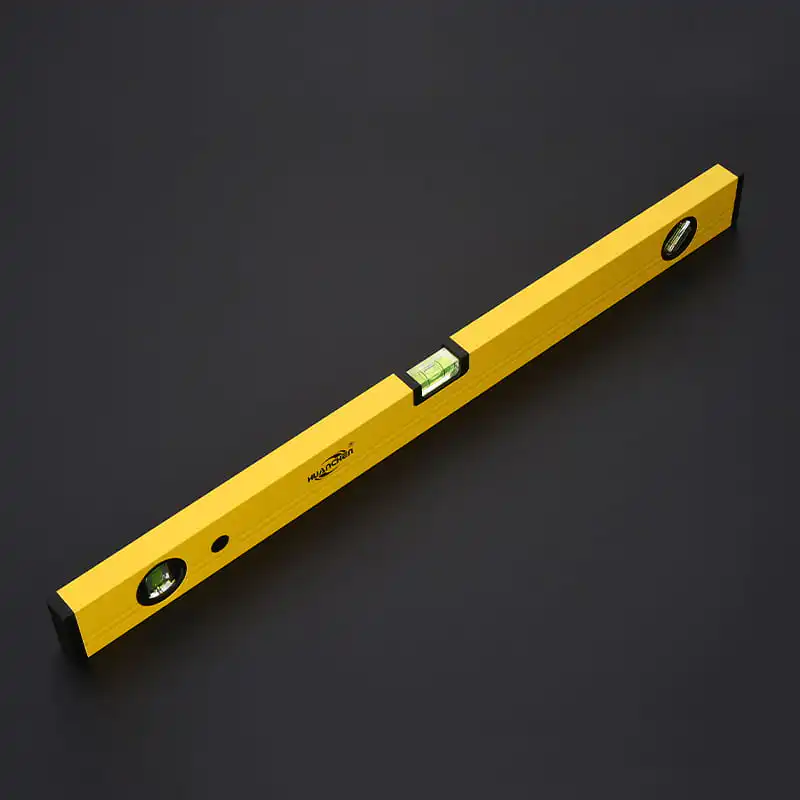
● Plastic spraying surface treatment Better surface gloss and stronger ● Left and right wall thickness 1.0mm ● Bottom milling and leveling finishes for more accurate precision ● Leveling accuracy 0.5...
See Details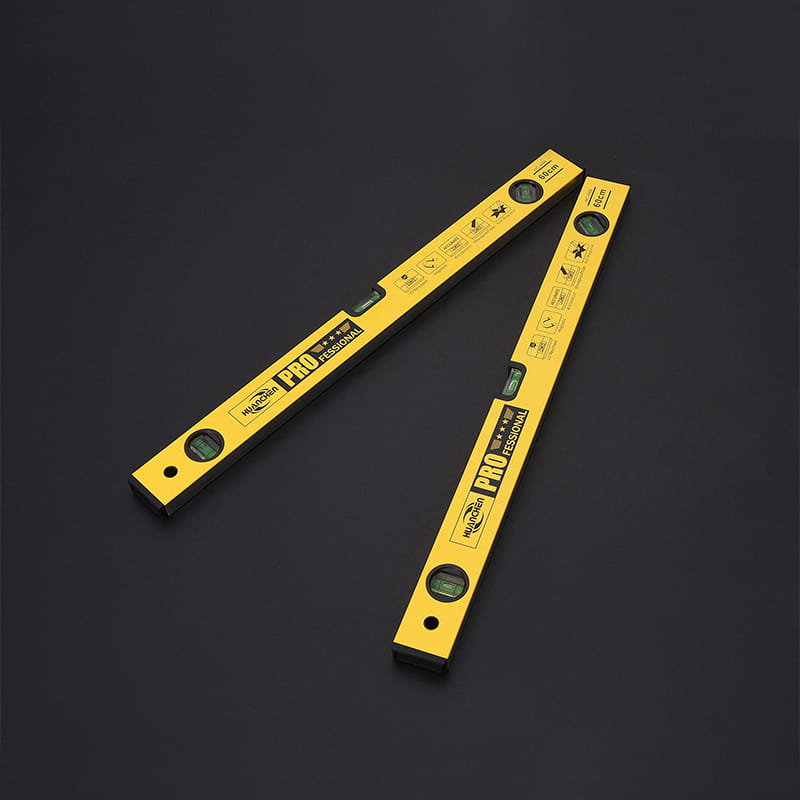
● Plastic spraying surface treatment Better surface gloss and stronger ● Left and right wall thickness 1.0mm lower bottom surface thickness 1.25mnm ● Milled bottom and level is more accurate precisi...
See Details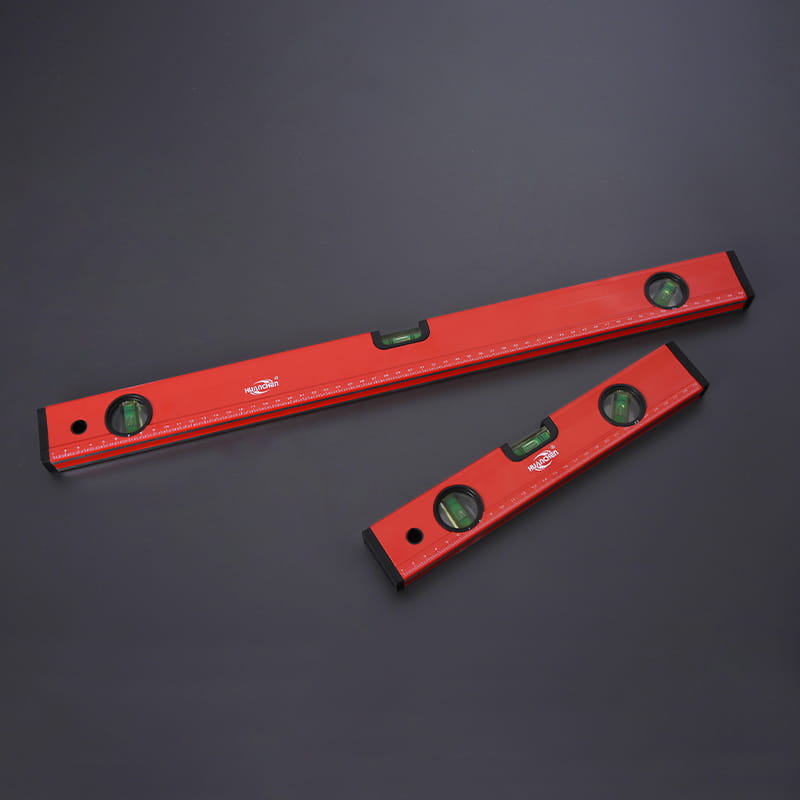
● Plastic spraying surface treatment better surface gloss and stronger ● Left and right wall thickness 0.8mm, upper wall thickness 0.8mnm, lower bottom thickness 1.2mm ● Bottom milling and leveli...
See Details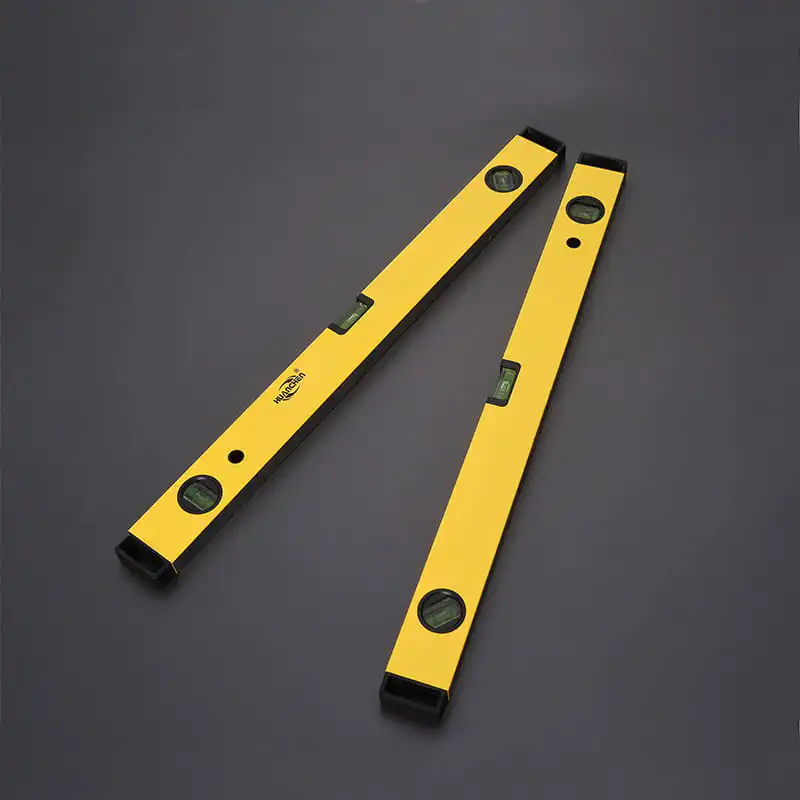
● Plastic spraying surface treatment Better surface gloss and stronger ● Left and right wall thickness 1.0mm ● Bottom milling and leveling finishes for more accurate precision ● Leveling accuracy 0...
See Details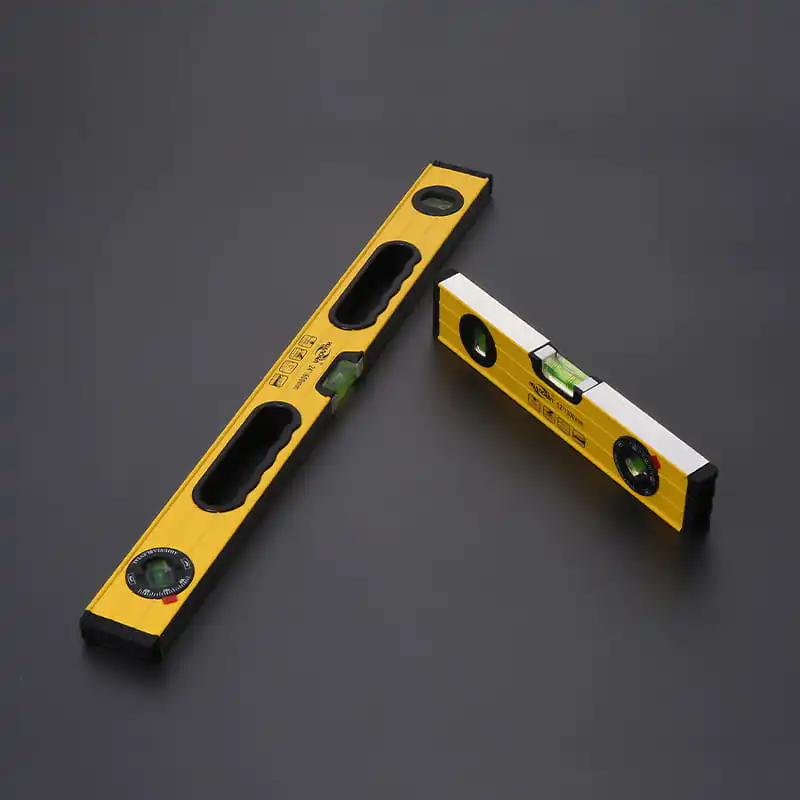
● Plastic spraying surface treatment Better surface gloss and stronger ● Left and right wall thickness 1.0mm lower bottom surface thickness 1.3mnm ● 300mm-400mm without grip, 500mm with single grip,6...
See Details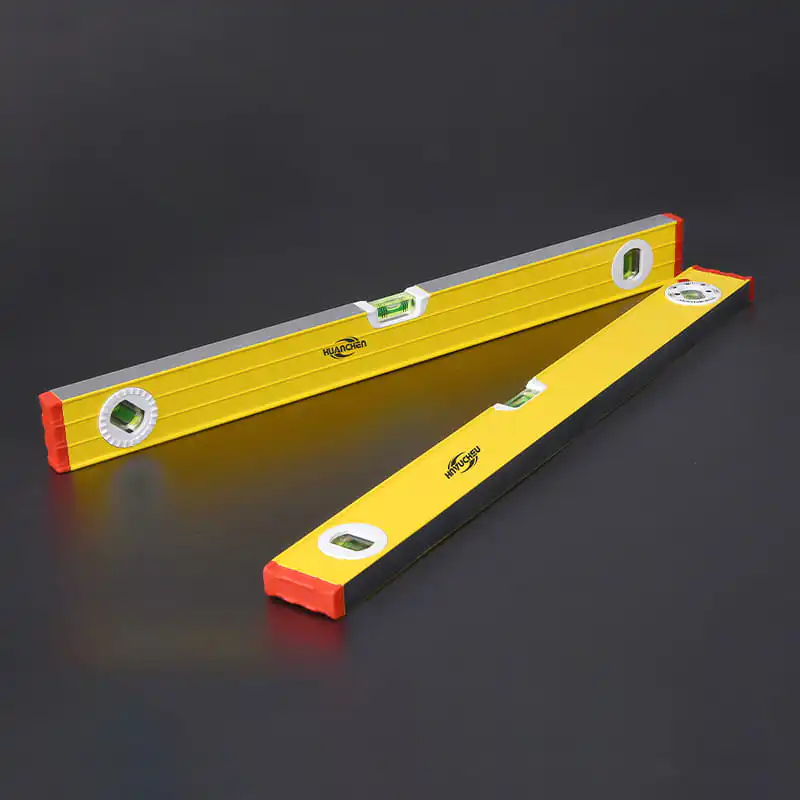
● Plastic spraying surface treatment Better surface gloss and stronger ● Left and right wall thickness 1.0mm lower bottom surface thickness 1 .3mnm ● 300mm- 400mm without grip, 500mm with single gr...
See Details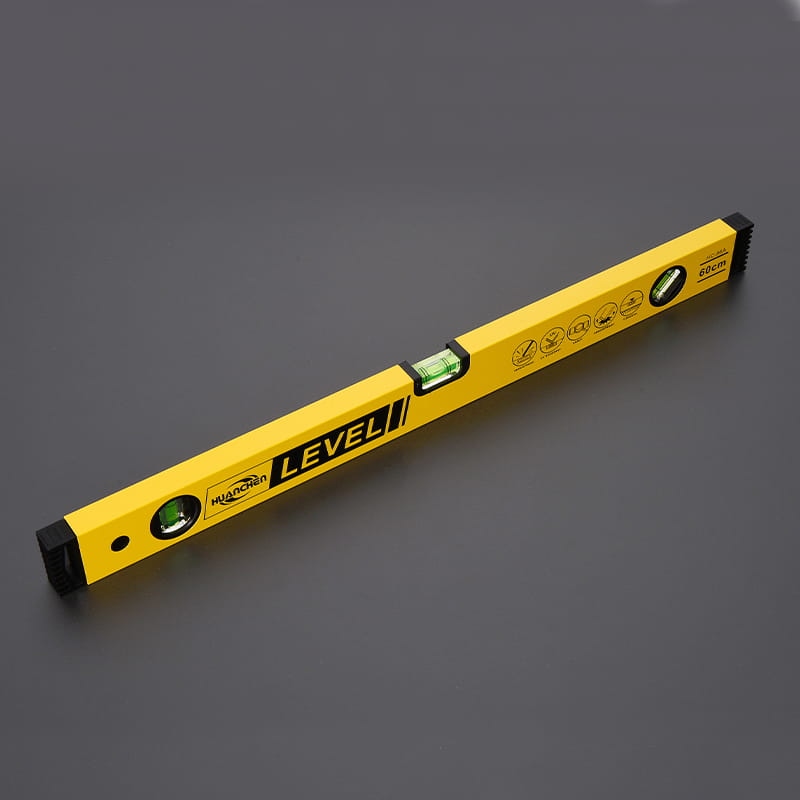
● Plastic spraying surface treatment, better gloss, more solid ● Thickness of left and right wall 1.0mm, thickness of the bottom surface 1.25mm ● Lower bottom surface milling and leveling finishing ...
See Details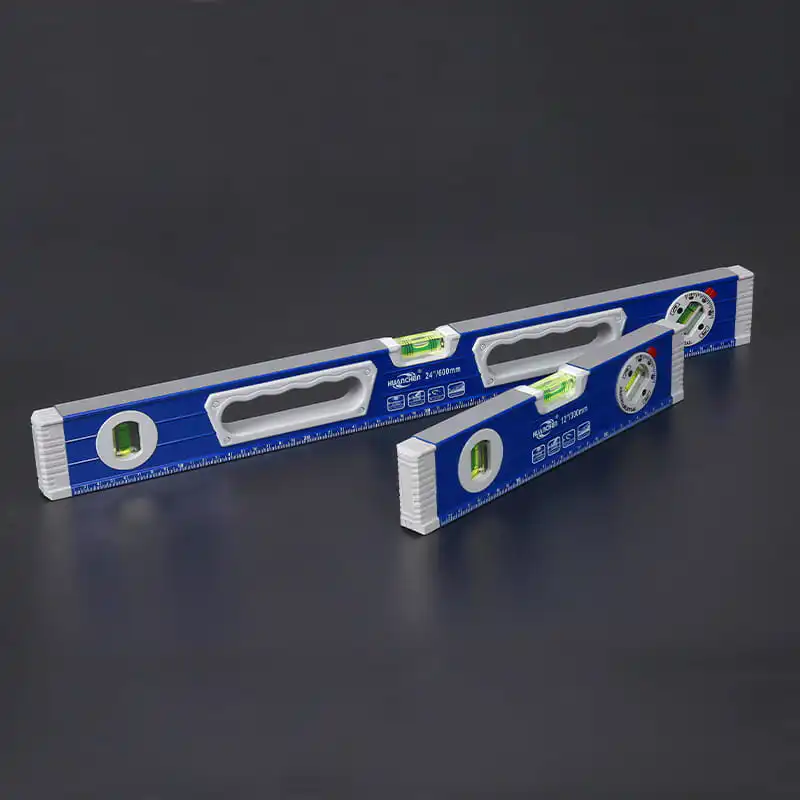
● Plastic spraying surface treatment Better surface gloss and stronger ● Left and right wall thickness 0.9mm lower bottom surface thickness 1.3mnm ● 300mm- 500mm without grip, 500mm with single grip,...
See Details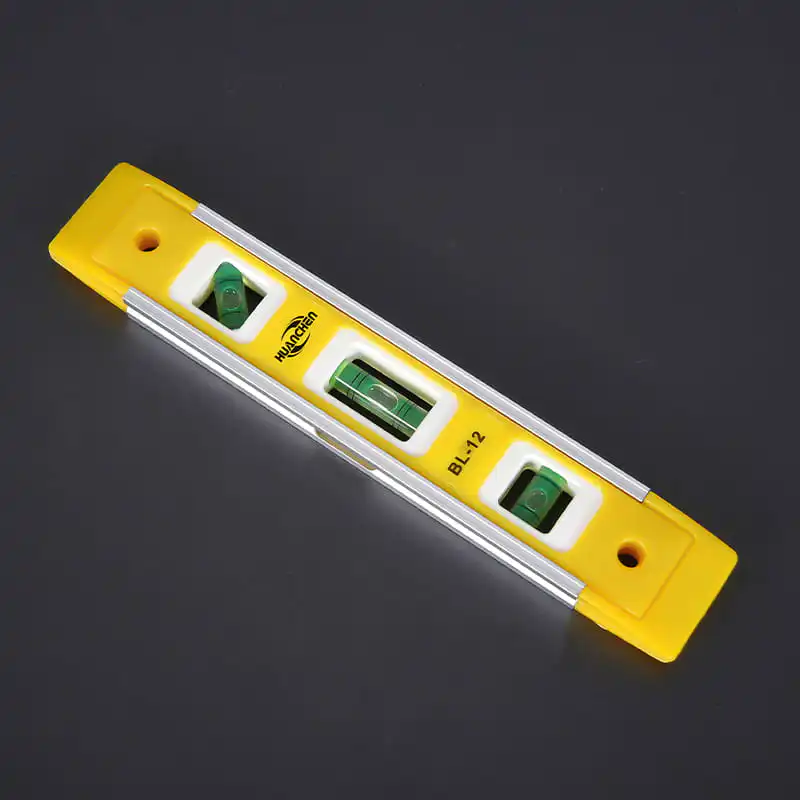
● Aluminum body covered with plastic parts for protection ● 3 leveling bubbles for multi-angle measurements ● Magnetic strip on the bottom
See Details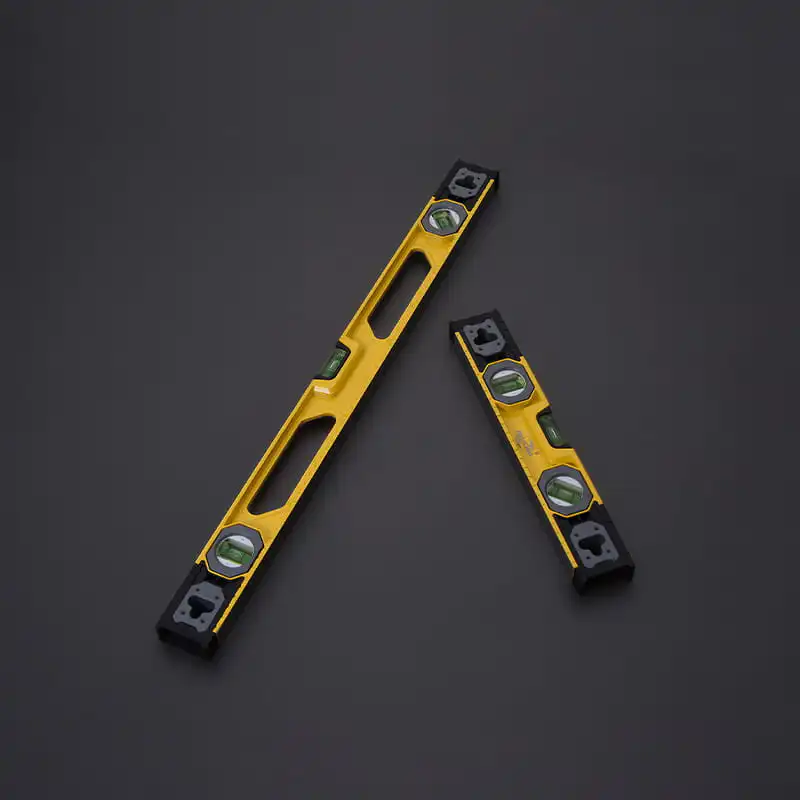
● Plastic spraying surface treatment Better surface gloss and stronger ● Middle aluminum thickness 2.7mm ● I-beam aluminum, more stable structure ● Soft rubber end caps to protect the level ● Three-di...
See Details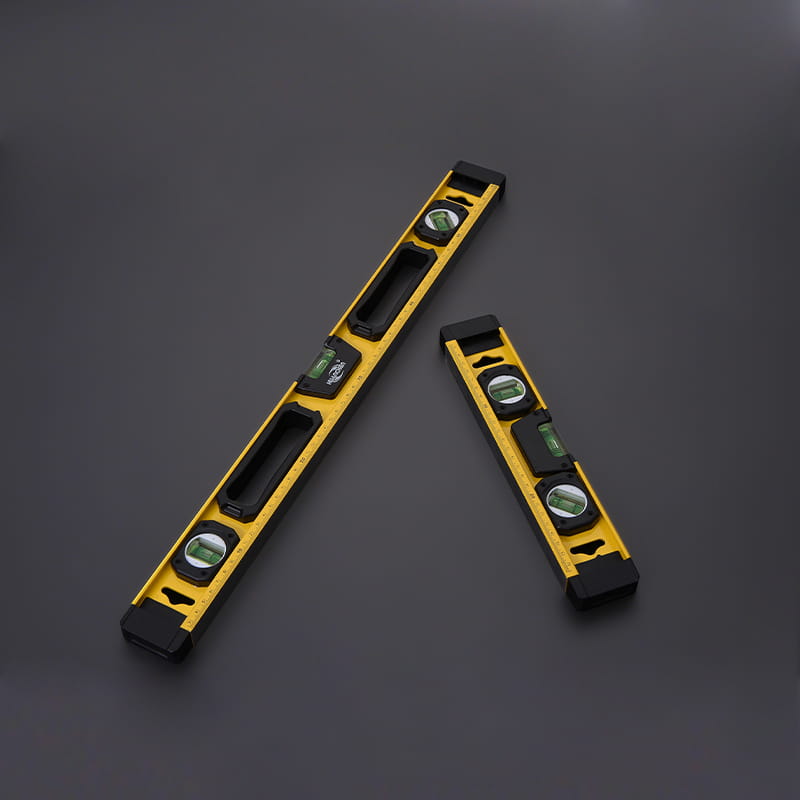
● Plastic spraying surface treatment Better surface gloss and stronger ● Middle aluminum thickness 2.7mm ● I-beam aluminum, more stable structure ● Soft rubber end caps to protect the level ● Three-di...
See Details

GET A FREE QUOTE
+86 13646662299
Copyright © 2023 Ningbo Huanchen Tools Co., Ltd.  High precision bubble level Manufacturers