


 English
 中文简体
中文简体 Español
●Plastic spraying surface treatment ●Wall thickness 0.8 mm ●Better surface gloss and stronger ●180° 90° 45° 3 angles blisters ●High light transmittance, high definition level bubble ●Bottom with an in...
See DetailsDeformation resistance refers to the ability of an industrial spirit level to maintain its original shape, straightness, and measurement accuracy when subjected to external forces, long-term use, or challenging working environments. In industrial settings, spirit levels are often exposed to impacts, vibration, pressure, and temperature variation. Whether the tool can resist bending, twisting, or warping directly affects the reliability of alignment and leveling tasks.
The resistance to deformation of an industrial spirit level is closely linked to the materials used in its body construction. Common materials include aluminum alloys, reinforced plastics, and steel-based structures. Aluminum alloys are widely adopted due to their balanced combination of rigidity and manageable weight, while reinforced plastics focus more on impact absorption. The inherent stiffness and yield strength of these materials determine how well the level can withstand mechanical stress without permanent shape change.
Beyond material choice, the cross-sectional design of the spirit level plays an important role in resisting deformation. Box-section or rib-reinforced profiles distribute applied forces more evenly along the body, reducing localized stress concentrations. This structural approach helps maintain straightness even when the level is placed across uneven surfaces or experiences external pressure during use.
Manufacturing methods such as extrusion, machining, and heat treatment influence the internal stress distribution of the spirit level body. Proper control during these processes helps reduce residual stresses that could later lead to warping. Consistent dimensional accuracy during production supports long-term stability, ensuring the level does not gradually deform under normal industrial workloads.
Industrial spirit levels are frequently subjected to accidental drops or collisions. Impact resistance focuses on preventing cracks or fractures, while deformation resistance concerns the ability to return to the original shape after stress. A well-designed level balances both aspects, allowing it to absorb shock energy without transferring excessive force into permanent bending or misalignment.
Longer spirit levels are naturally more susceptible to bending under their own weight or external loads compared to shorter models. To address this, industrial-grade levels often incorporate thicker profiles or internal reinforcements. These design choices help maintain consistent flatness and straightness across the entire length, even during extended use.
The way measurement vials are integrated into the spirit level body can also affect deformation resistance. Securely embedded vial housings reduce weak points in the structure. If the surrounding material flexes or shifts, it can affect both the vial alignment and the overall geometry of the tool. Solid integration supports both measurement reliability and structural durability.
The following table provides a general comparison of typical materials used in industrial spirit levels and their deformation-related characteristics.
| Material Type | Relative Rigidity | Weight Consideration | Deformation Tendency |
|---|---|---|---|
| Aluminum Alloy | Moderate to high | Moderate | Low under normal loads |
| Reinforced Plastic | Moderate | Lightweight | Depends on reinforcement |
| Steel-Based Body | High | Heavy | Low but weight-sensitive |
Industrial environments may involve exposure to temperature changes, which can influence material expansion and contraction. Materials with stable thermal expansion characteristics help reduce the risk of warping or dimensional drift. A spirit level designed for industrial use typically considers thermal behavior to ensure it remains straight and functional across a reasonable temperature range.
Torsional stress occurs when the spirit level is twisted, such as when used on uneven surfaces or clamped improperly. Resistance to torsion depends on both material stiffness and profile geometry. Box-shaped or reinforced designs generally provide better torsional stability, helping the tool maintain consistent alignment even under uneven loading.
Surface treatments such as anodizing or protective coatings primarily serve corrosion resistance and wear protection, but they can indirectly support deformation resistance. By preventing corrosion-related material loss, these treatments help preserve the original structural thickness and strength over time, reducing the likelihood of gradual deformation.
Repeated loading and unloading cycles can introduce material fatigue, which may eventually lead to permanent deformation. Industrial spirit levels intended for frequent use are designed with sufficient safety margins to handle cyclic stresses. Proper material selection and profile design help slow fatigue accumulation during prolonged service life.
How a spirit level is stored and transported also influences its resistance to deformation. Improper storage, such as leaning the level against a wall for extended periods, can introduce gradual bending. Industrial users often prefer levels that maintain shape even when storage conditions are less controlled, although correct handling practices remain important.
Structural deformation directly affects measurement accuracy. Even minor bending can alter the reference plane of the spirit level, leading to incorrect readings. Resistance to deformation therefore supports not only durability but also the consistency of measurement results in industrial alignment and installation tasks.
Industrial sites may expose tools to moisture, dust, and chemical residues. While these factors do not directly cause mechanical deformation, they can weaken materials over time if not properly addressed. Durable construction combined with suitable surface protection helps maintain structural reliability under such conditions.
During production, industrial spirit levels often undergo straightness and flatness checks to ensure resistance to deformation from the outset. Maintaining tight tolerances during inspection helps confirm that the tool meets structural expectations before entering service. Consistent quality control supports predictable behavior during actual use.
In industrial applications, users generally expect spirit levels to retain their shape despite frequent handling and demanding conditions. Resistance to deformation is therefore considered a core functional attribute rather than a secondary feature. Tools that maintain dimensional integrity help support efficient workflows and reduce the need for frequent recalibration or replacement.
Industrial spirit levels are typically engineered to resist deformation through a combination of material strength, thoughtful profile design, controlled manufacturing processes, and protective finishes. While no tool is entirely immune to extreme misuse, industrial-grade designs aim to provide stable geometry and reliable performance throughout regular operational demands.

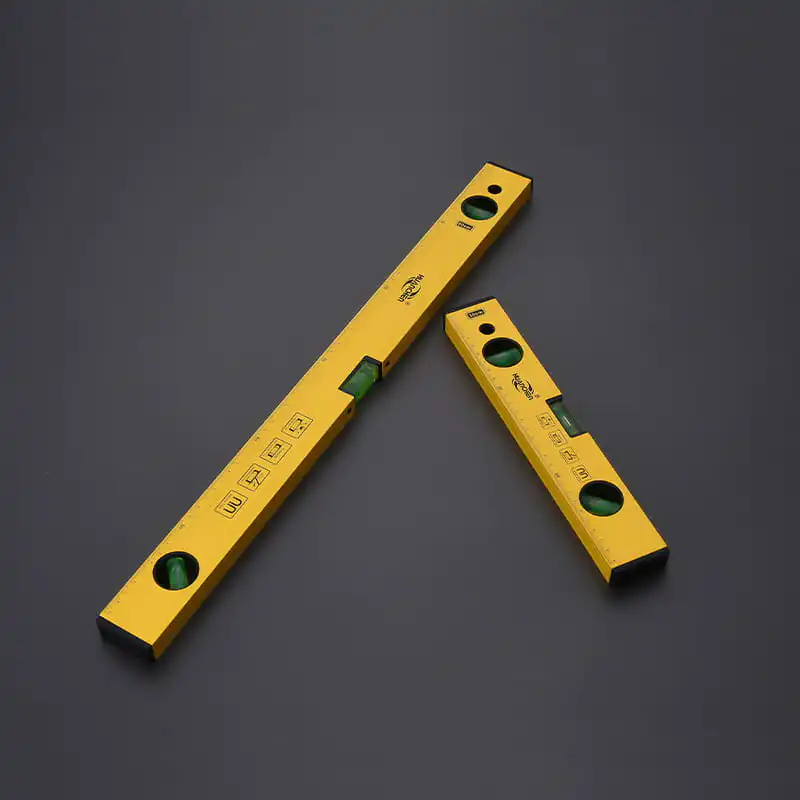
●Plastic spraying surface treatment ●Wall thickness 0.8 mm ●Better surface gloss and stronger ●180° 90° 45° 3 angles blisters ●High light transmittance, high definition level bubble ●Bottom with an in...
See Details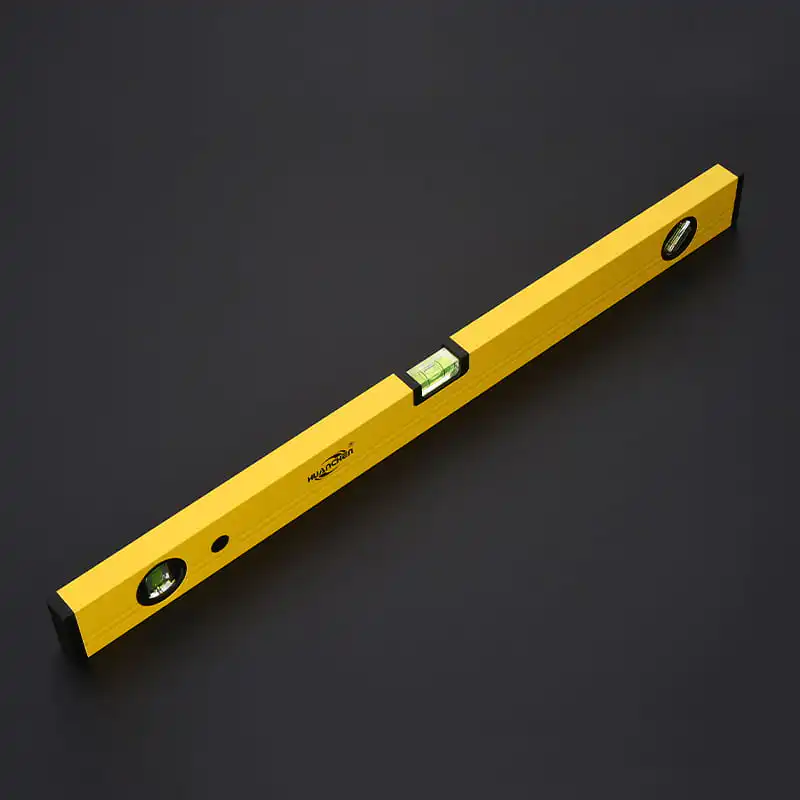
● Plastic spraying surface treatment Better surface gloss and stronger ● Left and right wall thickness 1.0mm ● Bottom milling and leveling finishes for more accurate precision ● Leveling accuracy 0.5...
See Details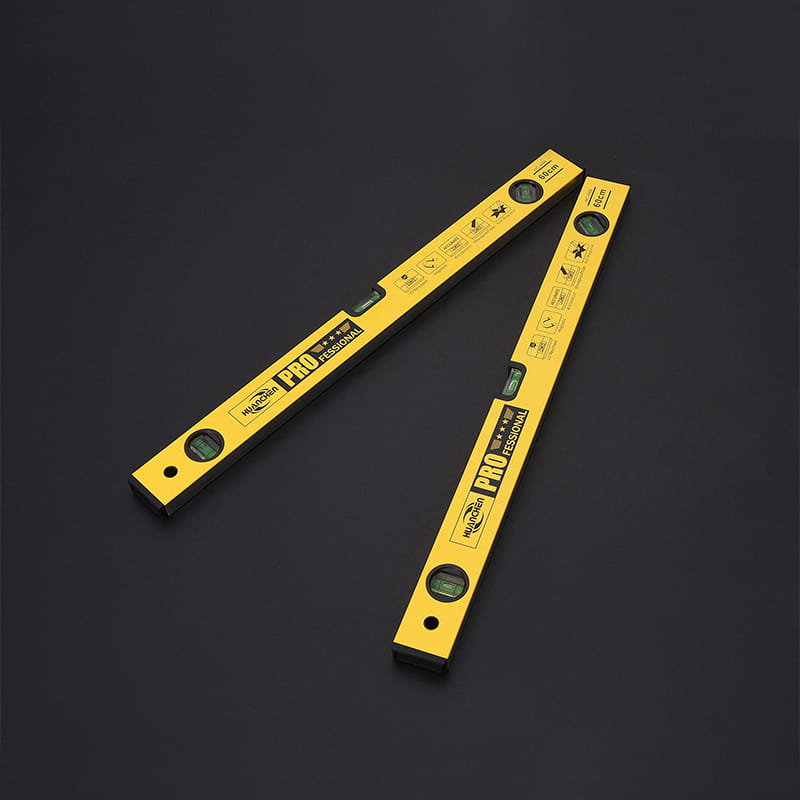
● Plastic spraying surface treatment Better surface gloss and stronger ● Left and right wall thickness 1.0mm lower bottom surface thickness 1.25mnm ● Milled bottom and level is more accurate precisi...
See Details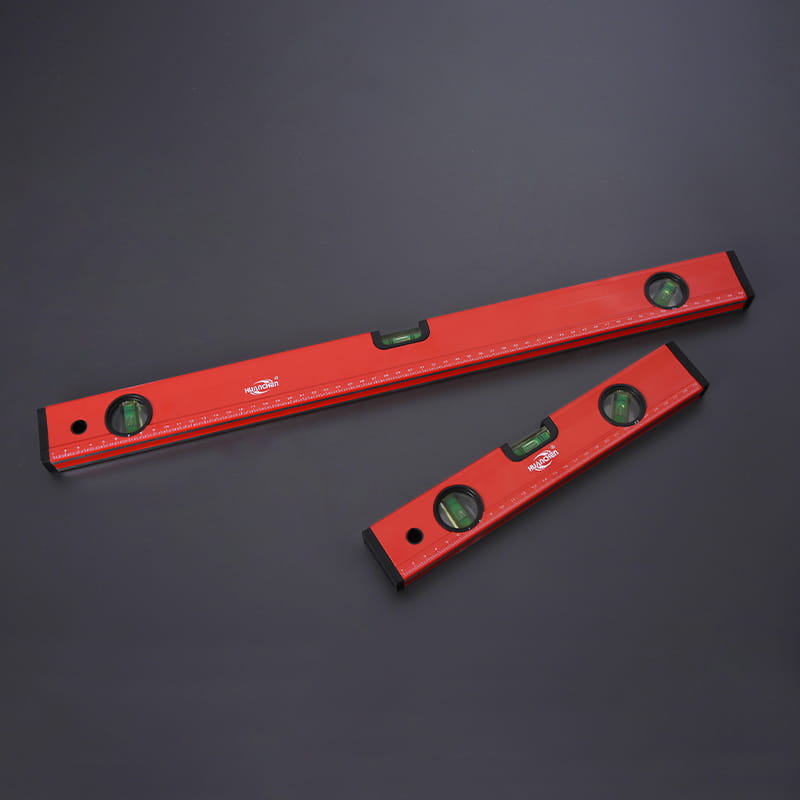
● Plastic spraying surface treatment better surface gloss and stronger ● Left and right wall thickness 0.8mm, upper wall thickness 0.8mnm, lower bottom thickness 1.2mm ● Bottom milling and leveli...
See Details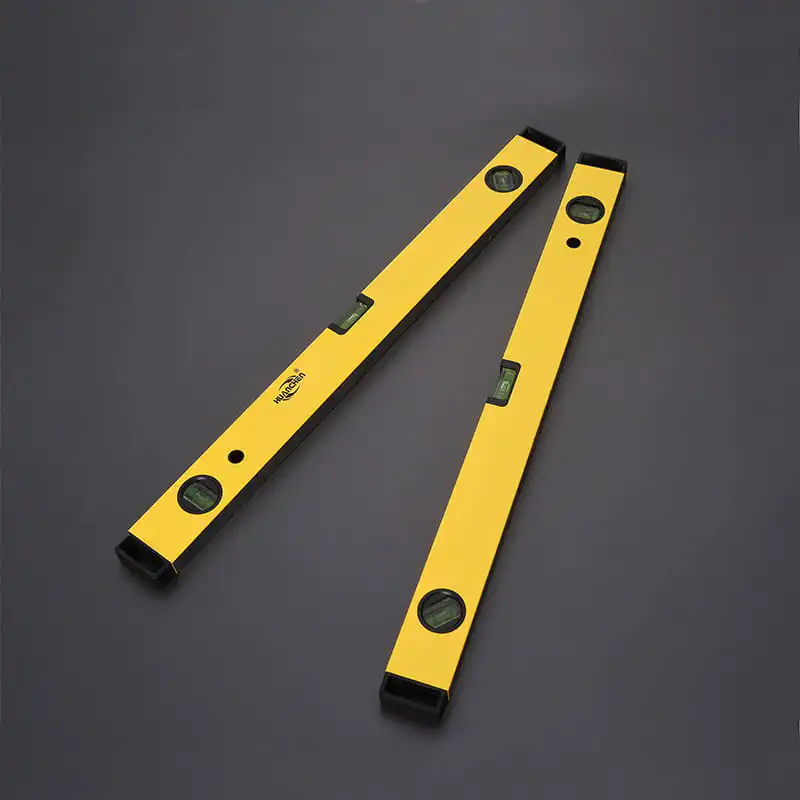
● Plastic spraying surface treatment Better surface gloss and stronger ● Left and right wall thickness 1.0mm ● Bottom milling and leveling finishes for more accurate precision ● Leveling accuracy 0...
See Details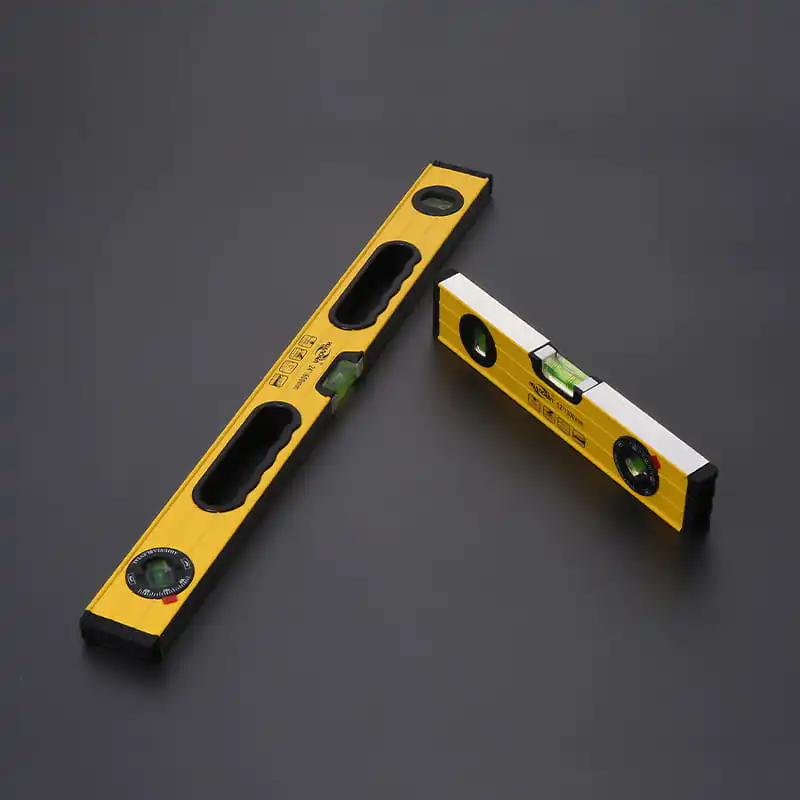
● Plastic spraying surface treatment Better surface gloss and stronger ● Left and right wall thickness 1.0mm lower bottom surface thickness 1.3mnm ● 300mm-400mm without grip, 500mm with single grip,6...
See Details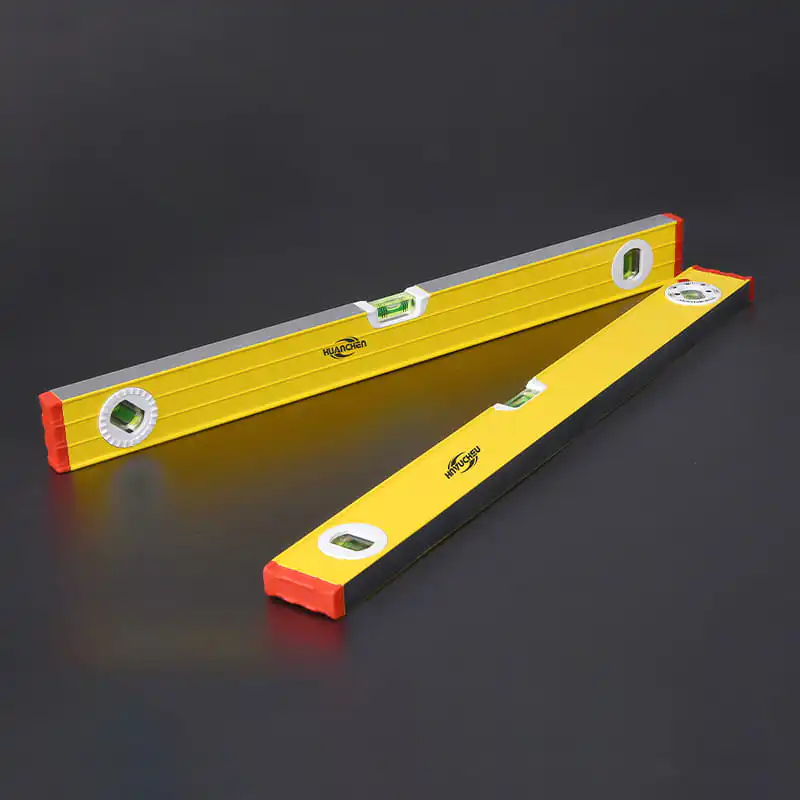
● Plastic spraying surface treatment Better surface gloss and stronger ● Left and right wall thickness 1.0mm lower bottom surface thickness 1 .3mnm ● 300mm- 400mm without grip, 500mm with single gr...
See Details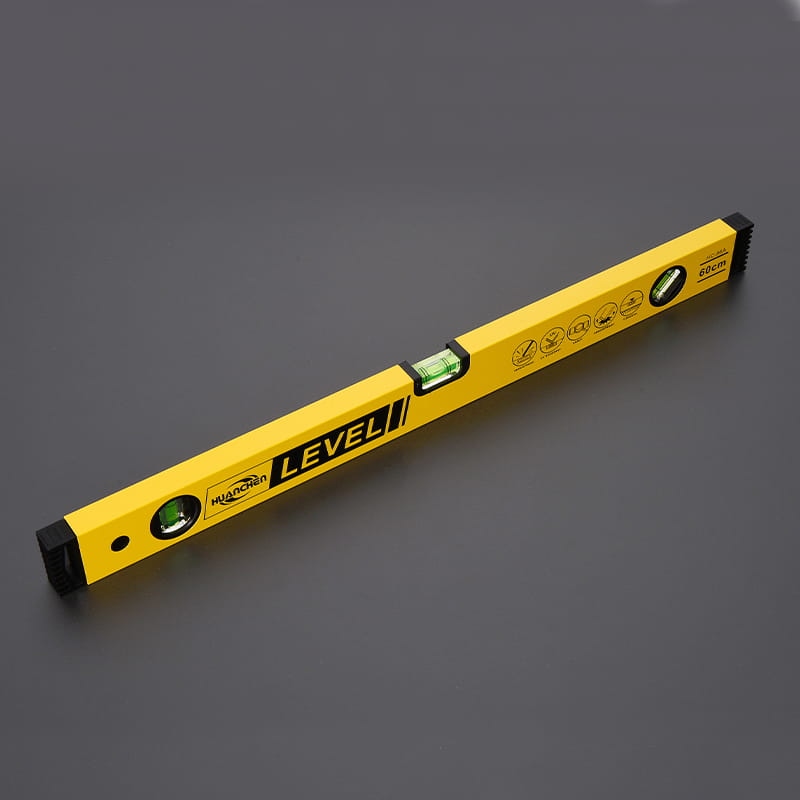
● Plastic spraying surface treatment, better gloss, more solid ● Thickness of left and right wall 1.0mm, thickness of the bottom surface 1.25mm ● Lower bottom surface milling and leveling finishing ...
See Details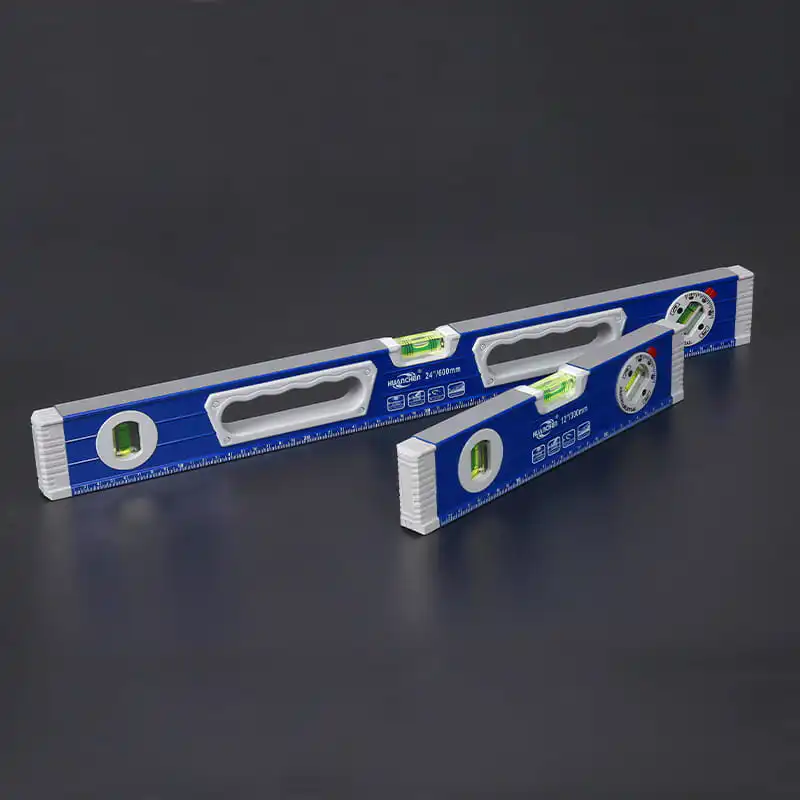
● Plastic spraying surface treatment Better surface gloss and stronger ● Left and right wall thickness 0.9mm lower bottom surface thickness 1.3mnm ● 300mm- 500mm without grip, 500mm with single grip,...
See Details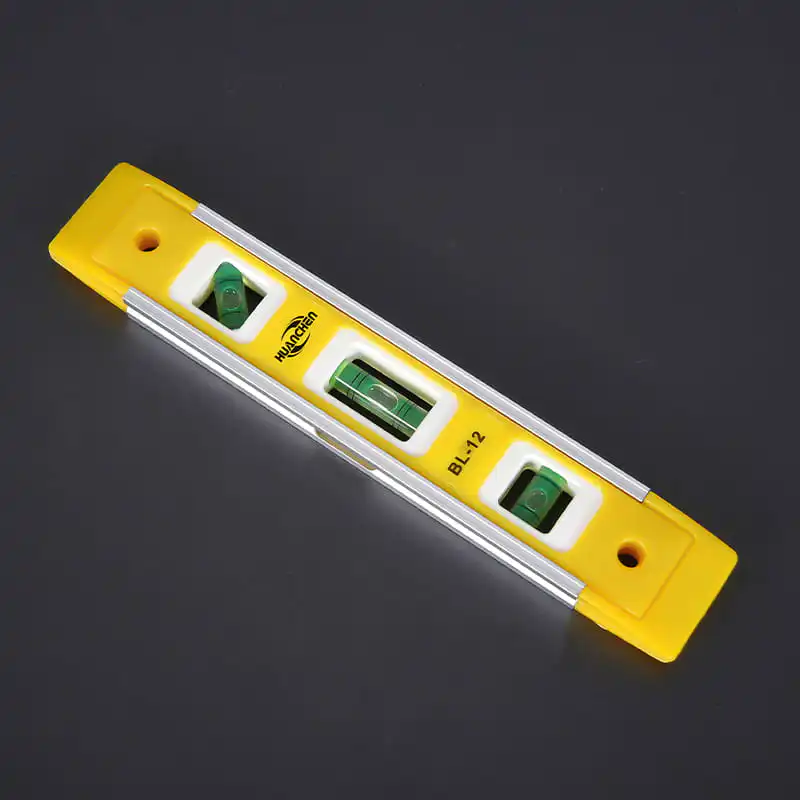
● Aluminum body covered with plastic parts for protection ● 3 leveling bubbles for multi-angle measurements ● Magnetic strip on the bottom
See Details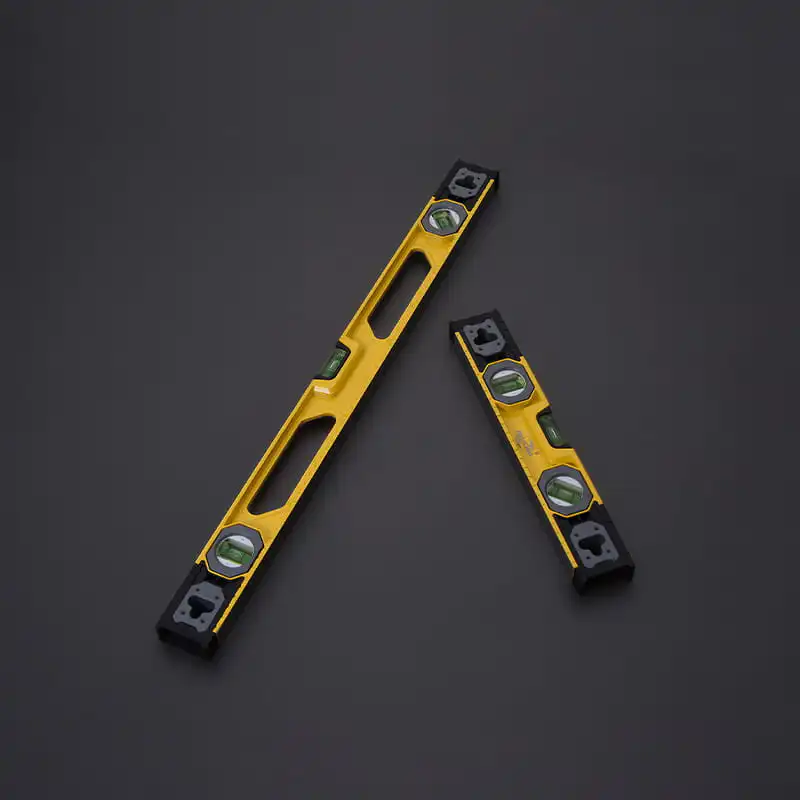
● Plastic spraying surface treatment Better surface gloss and stronger ● Middle aluminum thickness 2.7mm ● I-beam aluminum, more stable structure ● Soft rubber end caps to protect the level ● Three-di...
See Details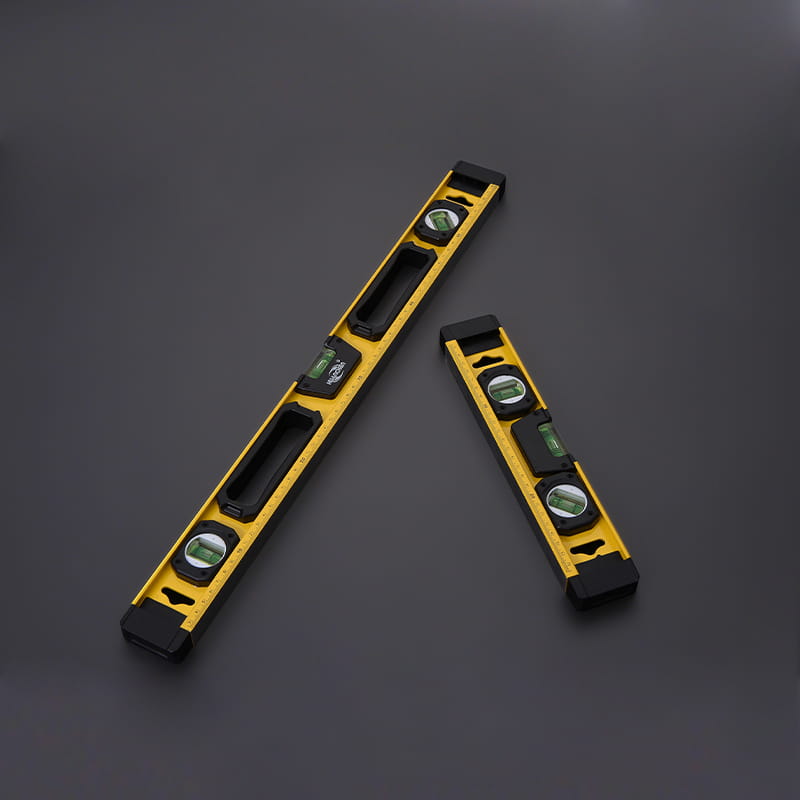
● Plastic spraying surface treatment Better surface gloss and stronger ● Middle aluminum thickness 2.7mm ● I-beam aluminum, more stable structure ● Soft rubber end caps to protect the level ● Three-di...
See Details

GET A FREE QUOTE
+86 13646662299
Copyright © 2023 Ningbo Huanchen Tools Co., Ltd.  High precision bubble level Manufacturers