


 English
 中文简体
中文简体 Español
●Plastic spraying surface treatment ●Wall thickness 0.8 mm ●Better surface gloss and stronger ●180° 90° 45° 3 angles blisters ●High light transmittance, high definition level bubble ●Bottom with an in...
See DetailsIndustrial spirit levels are frequently used in construction, manufacturing, installation, and maintenance tasks where environmental conditions are not always controlled. High or low temperature environments introduce additional factors that can influence measurement reliability, structural stability, and long-term usability. Evaluating whether industrial spirit levels are suitable for such conditions requires an understanding of materials, vial behavior, manufacturing tolerances, and real-world operating scenarios.
The body material of an industrial spirit level plays a central role in how it responds to temperature changes. Aluminum alloys, steel structures, and reinforced plastics each exhibit different thermal expansion characteristics. When temperatures rise or fall, materials expand or contract at predictable rates. Industrial-grade spirit levels are typically designed with materials whose dimensional changes remain controlled within practical temperature ranges, helping maintain straightness and measurement consistency.
Thermal expansion does not necessarily render a spirit level unusable, but uneven expansion can affect straightness or vial alignment. Industrial spirit levels often rely on symmetrical cross-section designs that allow expansion to occur evenly along the length of the tool. This structural symmetry helps reduce internal stress and limits the risk of warping when the tool is exposed to temperature variation.
Aluminum alloy is a common choice for industrial spirit levels due to its predictable thermal behavior and balanced rigidity. In high-temperature environments, aluminum expands uniformly, while in low-temperature conditions it contracts without becoming brittle. These characteristics make aluminum-based spirit levels suitable for a wide range of industrial applications, provided that temperature changes remain within the design parameters.
Some industrial spirit levels use reinforced plastic bodies to reduce weight and improve impact absorption. Plastic materials may be more sensitive to temperature extremes, particularly at very low temperatures where stiffness can increase. However, industrial-grade reinforced plastics are selected to maintain functional stability across typical outdoor and indoor industrial temperature ranges, reducing the likelihood of cracking or excessive deformation.
Steel-based spirit levels offer high rigidity, which can support dimensional stability. Steel exhibits lower thermal expansion than aluminum, but it is heavier and may conduct heat more readily. In high-temperature environments, steel levels can become hot to the touch, while in cold conditions they may feel significantly colder. These factors affect handling comfort rather than measurement accuracy, but they are relevant in practical use.
The vial is a critical measurement component, and its behavior under temperature variation directly affects usability. Vial liquids expand when heated and contract when cooled. Industrial spirit levels typically use specially formulated liquids that remain stable across a broad temperature range, helping ensure the bubble remains visible and responsive rather than sluggish or unstable.
In low-temperature environments, some liquids become more viscous, which can slow bubble movement. Industrial spirit levels intended for cold environments account for this by using vial fluids that maintain acceptable flow characteristics. Clear vial housing materials also help ensure the bubble remains visible even when condensation or frost is present on surrounding surfaces.
The material surrounding the vial must also tolerate temperature changes without cracking or loosening. Acrylic and polycarbonate housings are commonly used due to their clarity and resistance to thermal stress. Secure vial mounting helps maintain alignment even when the surrounding body material expands or contracts slightly.
The table below provides a general overview of how common spirit level materials respond to temperature variation.
| Component | High Temperature Behavior | Low Temperature Behavior | Measurement Impact |
|---|---|---|---|
| Aluminum Body | Uniform expansion | Uniform contraction | Minimal if symmetrical |
| Reinforced Plastic | Stable within range | Increased stiffness | Generally controlled |
| Vial Liquid | Expansion increases pressure | Higher viscosity | Response speed changes |
Industrial spirit levels are manufactured with tolerances that account for predictable thermal movement. Precision machining and controlled assembly ensure that small dimensional changes do not significantly alter measurement accuracy. These tolerances help the tool remain reliable when transitioning between indoor and outdoor environments or between different climate conditions.
Rapid temperature changes can introduce temporary stress as materials adjust. For example, moving a spirit level from a heated indoor area to a cold outdoor site may cause short-term contraction. Industrial designs aim to accommodate such transitions without permanent deformation, although allowing the tool to acclimate briefly can support stable readings.
In environments such as fabrication workshops or areas near operating machinery, ambient temperatures may rise significantly. Industrial spirit levels used in such settings are expected to maintain structural integrity and readable vials. Protective finishes can help reduce surface oxidation or discoloration, indirectly supporting long-term durability under heat exposure.
Construction and infrastructure projects often require leveling tasks in cold climates. Industrial spirit levels designed for outdoor use typically remain functional at low temperatures encountered during seasonal work. While bubble movement may slow slightly, accurate readings can still be achieved when the tool is used correctly and allowed to stabilize.
Measurement accuracy depends on the alignment between the vial and the reference surface of the level. Temperature-induced changes are generally small and uniform in industrial-grade tools. As a result, accuracy remains within acceptable limits for practical applications, provided the level is not subjected to extreme or prolonged thermal stress beyond its intended range.
Surface treatments such as anodizing or powder coating protect the spirit level body from corrosion and surface wear. While these treatments do not prevent thermal expansion, they help preserve material integrity over time. Maintaining surface condition supports consistent structural behavior in varying temperature environments.
Temperature extremes affect not only the tool but also user interaction. Metal bodies may become uncomfortable to hold in very hot or cold conditions. Industrial users often mitigate this by wearing gloves or selecting spirit levels with ergonomic grips that provide insulation and improve handling comfort.
Proper storage helps maintain the condition of industrial spirit levels. Storing tools in environments with extreme or fluctuating temperatures for extended periods can introduce cumulative stress. While industrial levels are designed for robustness, controlled storage supports long-term dimensional stability and consistent performance.
Some industrial users perform periodic verification checks to ensure measurement consistency. In temperature-variable environments, awareness of ambient conditions during calibration helps ensure reliable results. Allowing the spirit level to reach ambient temperature before use can reduce transient effects.
Temperature changes often coincide with moisture exposure, such as condensation forming in cold conditions. Industrial spirit levels typically feature sealed vial housings that prevent moisture ingress. This sealing supports clear visibility and protects internal components from environmental influence.
Many industrial spirit levels are designed in accordance with standards that specify acceptable operating temperature ranges. These ranges are based on material properties and typical industrial use cases. Selecting a level that aligns with expected environmental conditions supports reliable performance without unnecessary overdesign.
Repeated exposure to temperature cycles can gradually affect any tool. Industrial spirit levels address this through stable material selection, controlled manufacturing processes, and secure component integration. These factors help ensure that performance remains consistent across many heating and cooling cycles.
In practical terms, industrial spirit levels are generally suitable for use in both high and low temperature environments encountered in construction, manufacturing, and outdoor work. While extreme conditions may require additional care or acclimation time, the overall design intent supports reliable measurement under a wide range of thermal conditions.

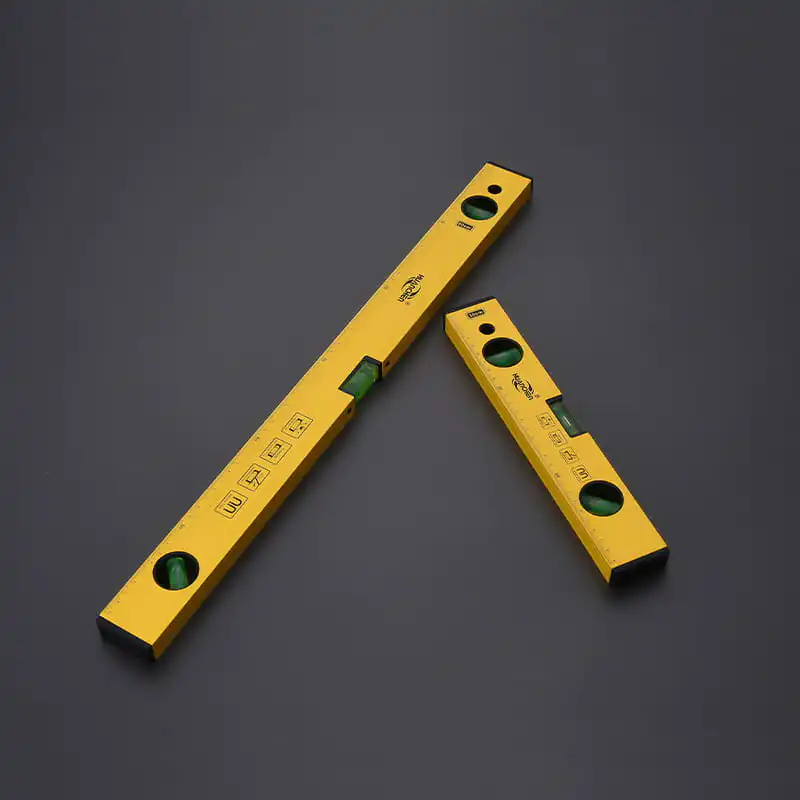
●Plastic spraying surface treatment ●Wall thickness 0.8 mm ●Better surface gloss and stronger ●180° 90° 45° 3 angles blisters ●High light transmittance, high definition level bubble ●Bottom with an in...
See Details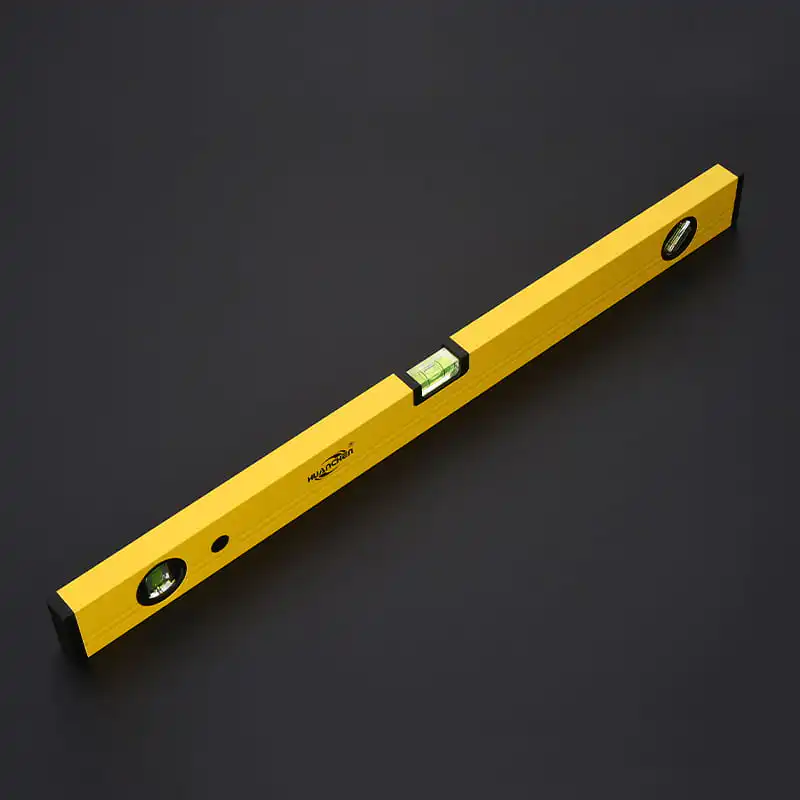
● Plastic spraying surface treatment Better surface gloss and stronger ● Left and right wall thickness 1.0mm ● Bottom milling and leveling finishes for more accurate precision ● Leveling accuracy 0.5...
See Details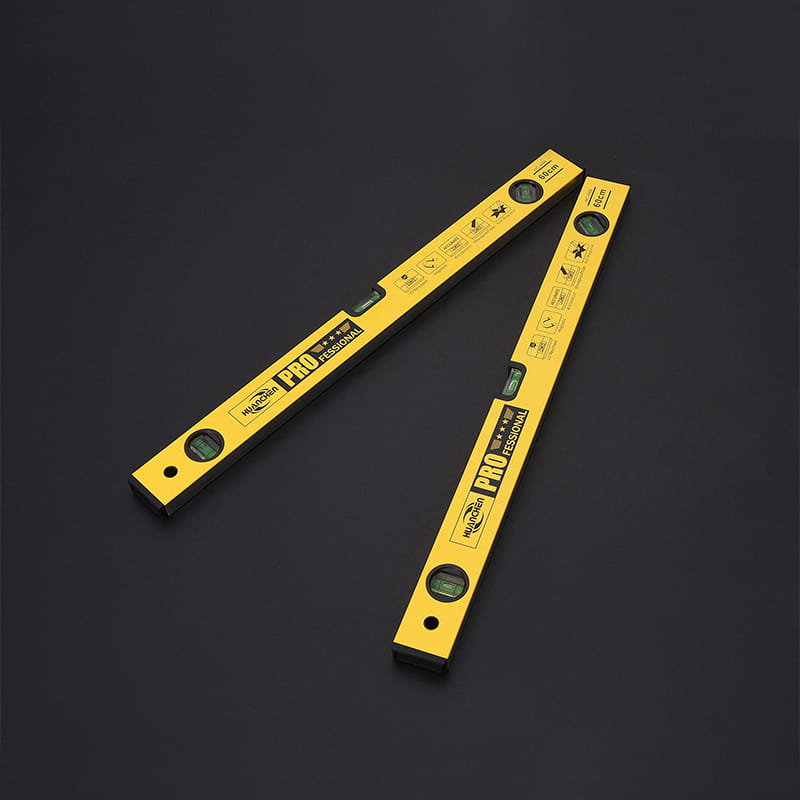
● Plastic spraying surface treatment Better surface gloss and stronger ● Left and right wall thickness 1.0mm lower bottom surface thickness 1.25mnm ● Milled bottom and level is more accurate precisi...
See Details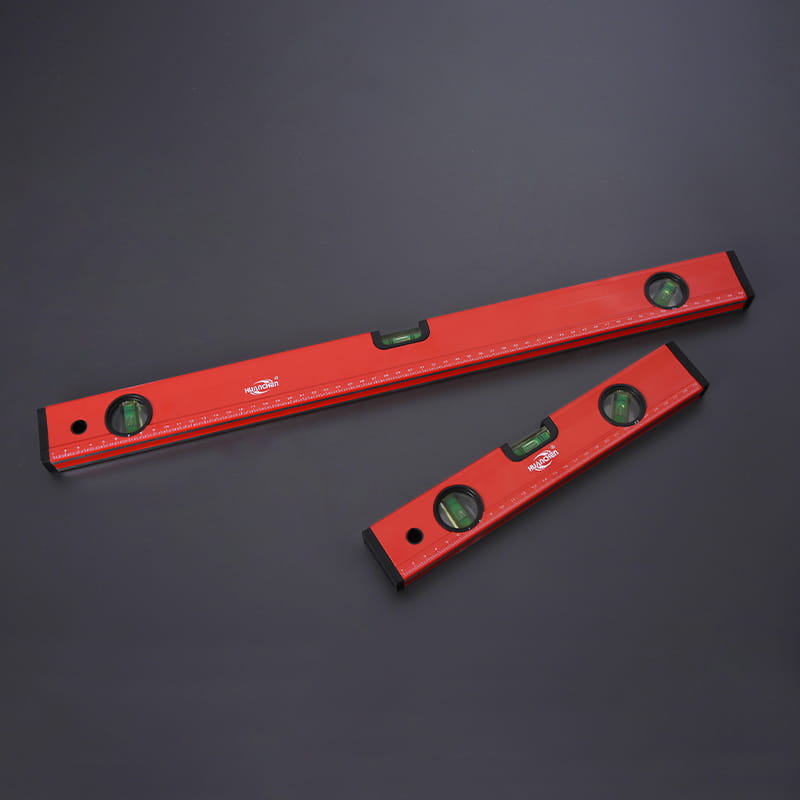
● Plastic spraying surface treatment better surface gloss and stronger ● Left and right wall thickness 0.8mm, upper wall thickness 0.8mnm, lower bottom thickness 1.2mm ● Bottom milling and leveli...
See Details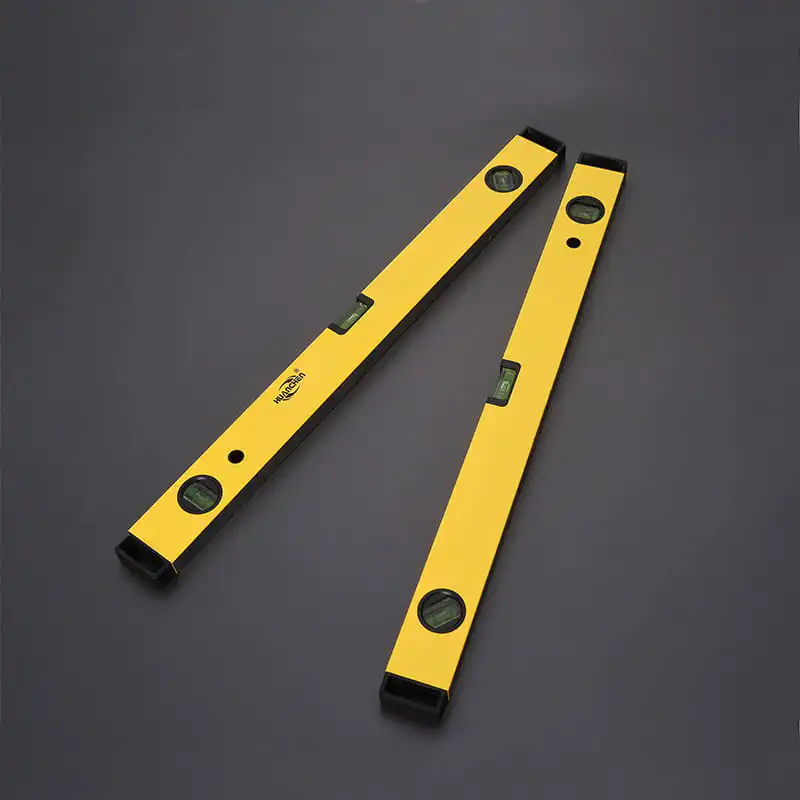
● Plastic spraying surface treatment Better surface gloss and stronger ● Left and right wall thickness 1.0mm ● Bottom milling and leveling finishes for more accurate precision ● Leveling accuracy 0...
See Details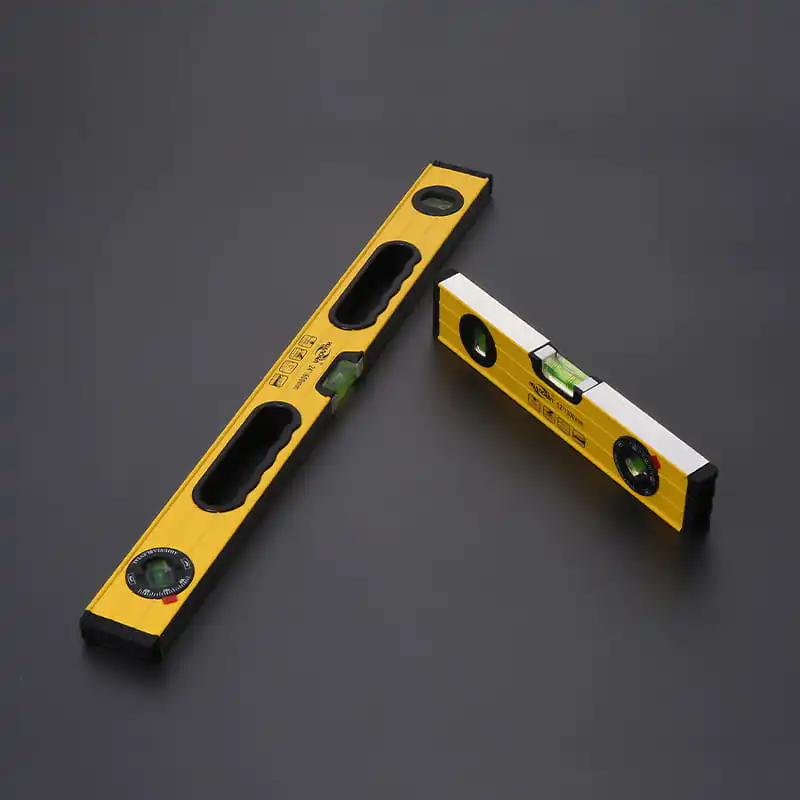
● Plastic spraying surface treatment Better surface gloss and stronger ● Left and right wall thickness 1.0mm lower bottom surface thickness 1.3mnm ● 300mm-400mm without grip, 500mm with single grip,6...
See Details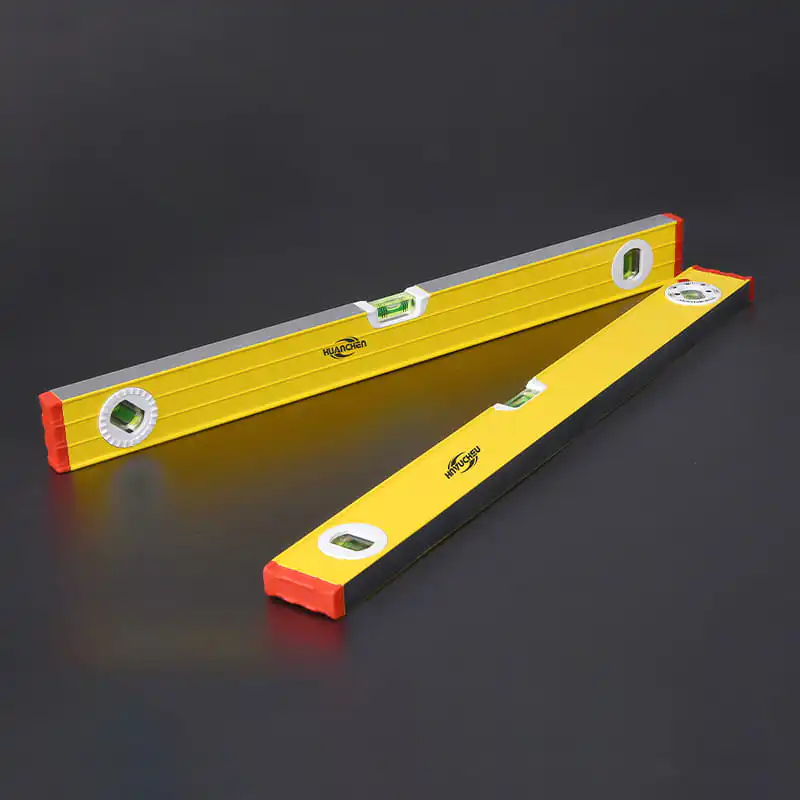
● Plastic spraying surface treatment Better surface gloss and stronger ● Left and right wall thickness 1.0mm lower bottom surface thickness 1 .3mnm ● 300mm- 400mm without grip, 500mm with single gr...
See Details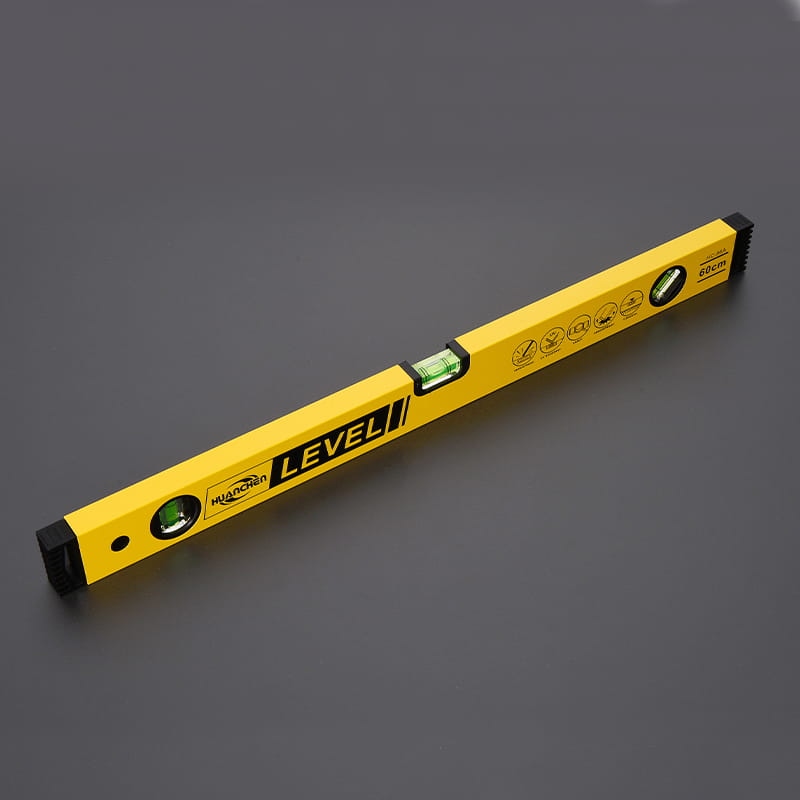
● Plastic spraying surface treatment, better gloss, more solid ● Thickness of left and right wall 1.0mm, thickness of the bottom surface 1.25mm ● Lower bottom surface milling and leveling finishing ...
See Details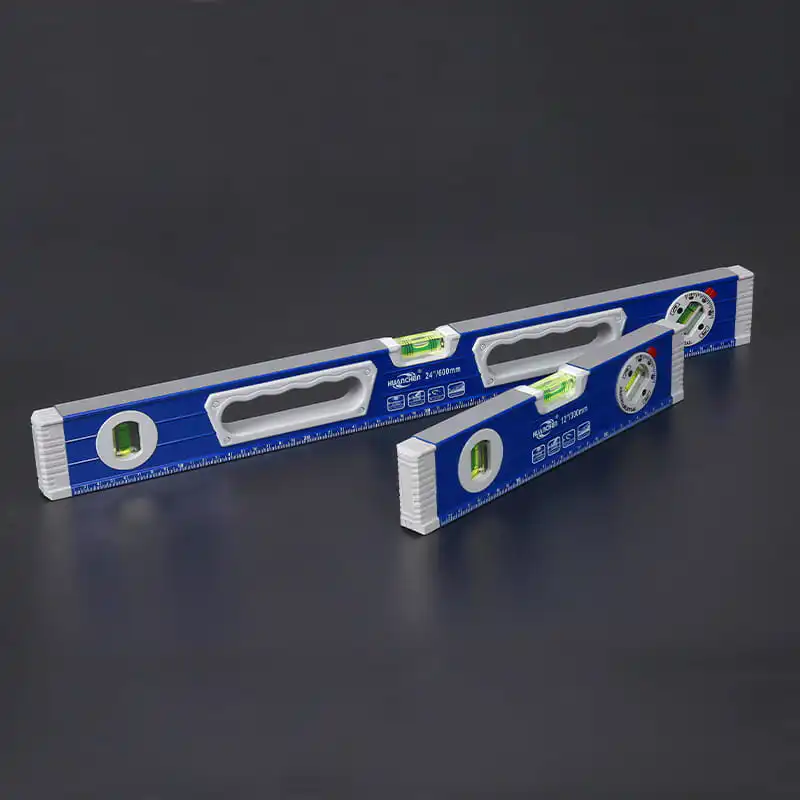
● Plastic spraying surface treatment Better surface gloss and stronger ● Left and right wall thickness 0.9mm lower bottom surface thickness 1.3mnm ● 300mm- 500mm without grip, 500mm with single grip,...
See Details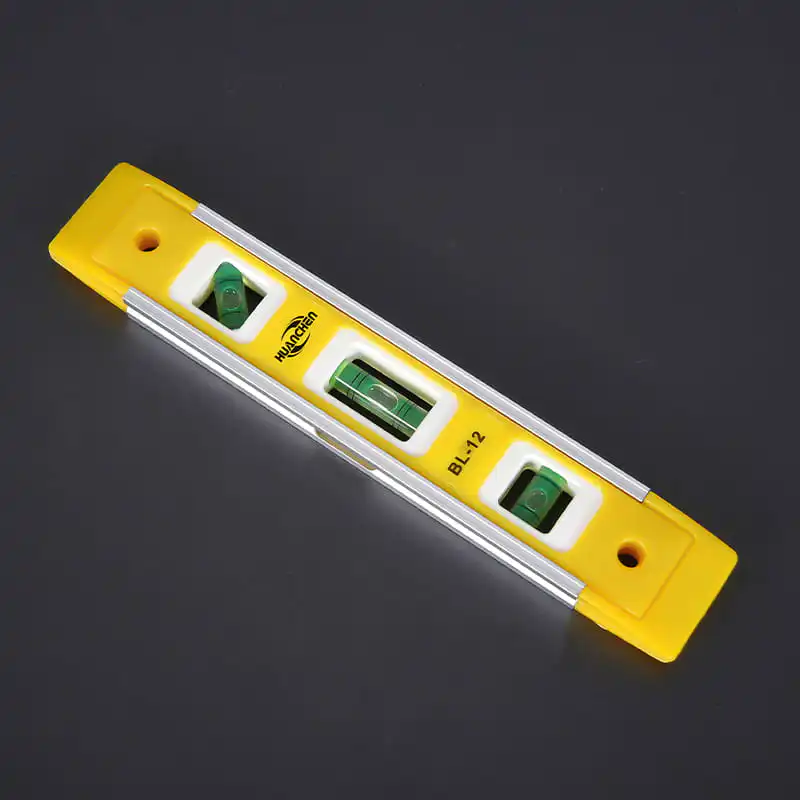
● Aluminum body covered with plastic parts for protection ● 3 leveling bubbles for multi-angle measurements ● Magnetic strip on the bottom
See Details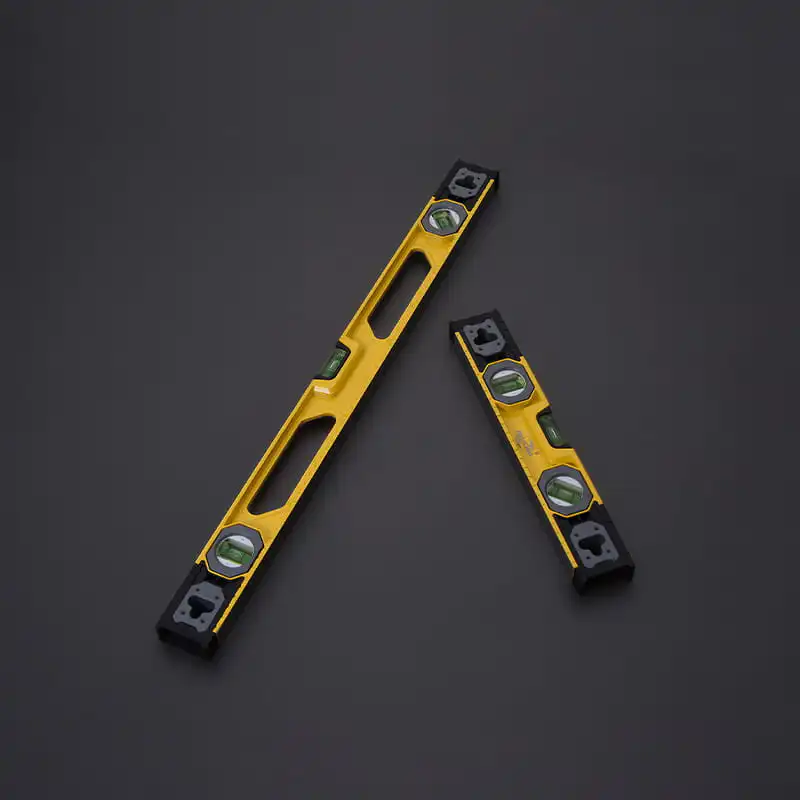
● Plastic spraying surface treatment Better surface gloss and stronger ● Middle aluminum thickness 2.7mm ● I-beam aluminum, more stable structure ● Soft rubber end caps to protect the level ● Three-di...
See Details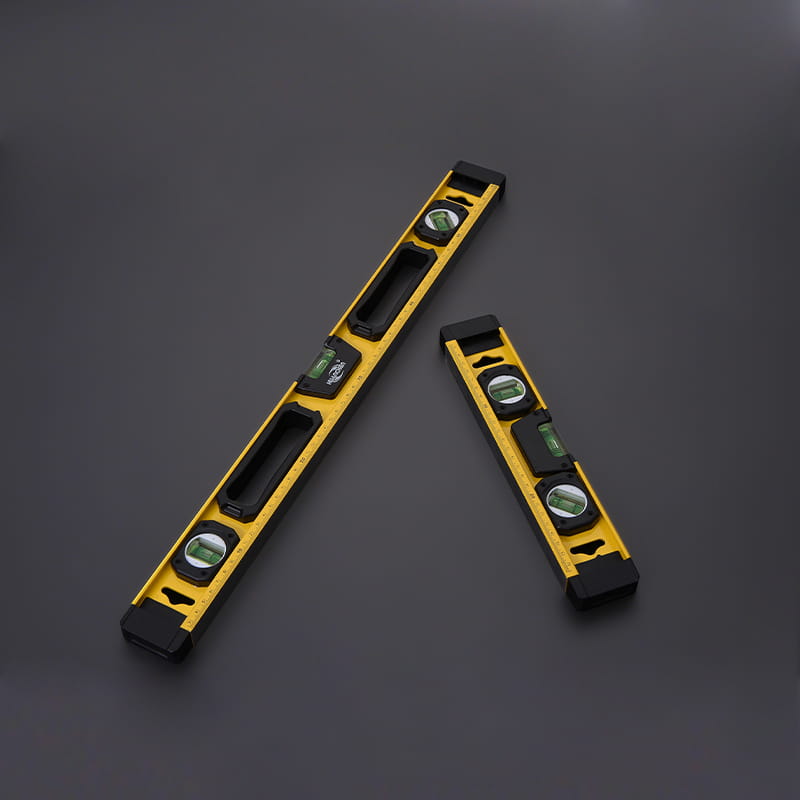
● Plastic spraying surface treatment Better surface gloss and stronger ● Middle aluminum thickness 2.7mm ● I-beam aluminum, more stable structure ● Soft rubber end caps to protect the level ● Three-di...
See Details

GET A FREE QUOTE
+86 13646662299
Copyright © 2023 Ningbo Huanchen Tools Co., Ltd.  High precision bubble level Manufacturers